Pony vs. Horse for Kids: The Real Cost Comparison
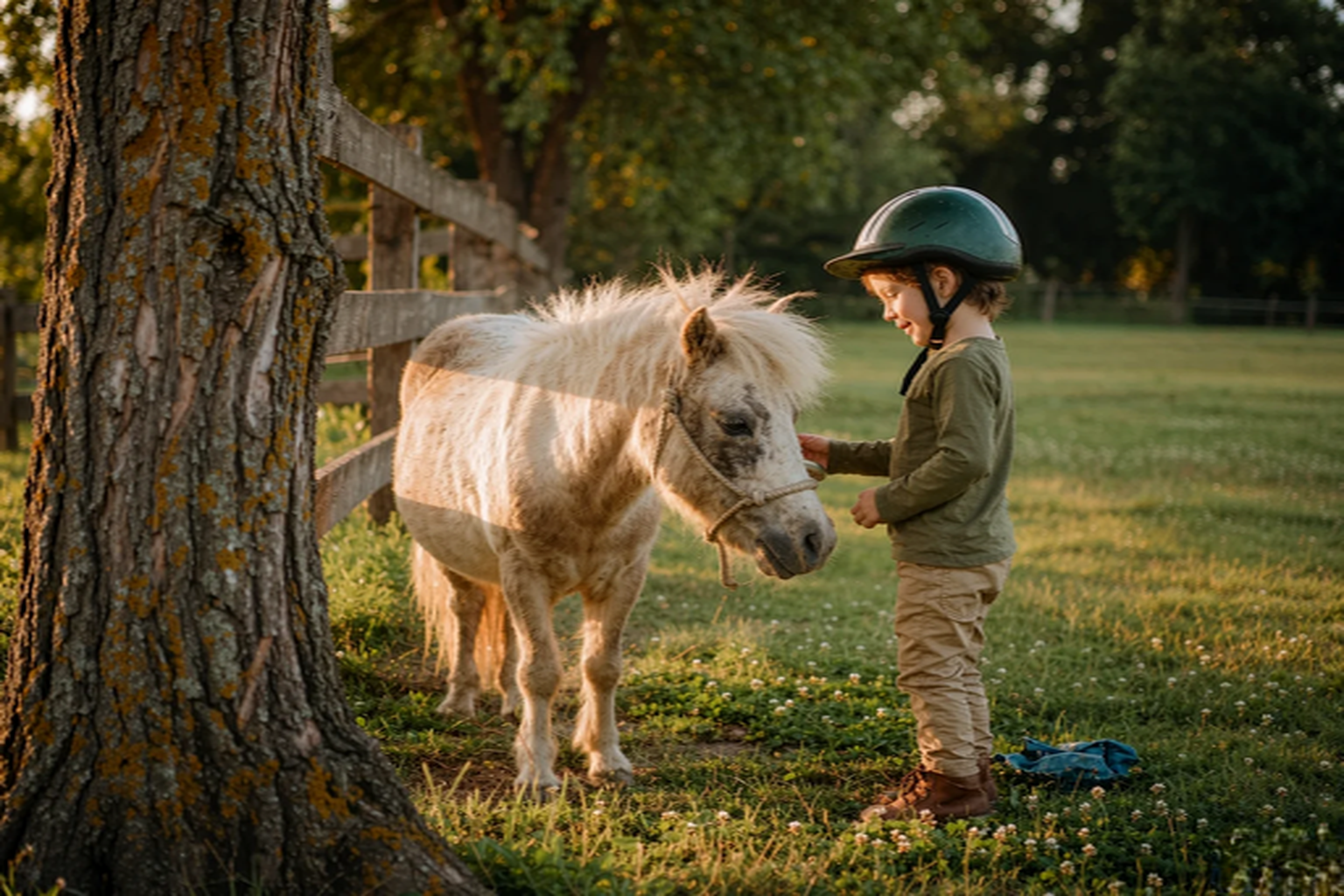
Ponies cost less to buy and less to feed — but not by as much as parents hope. An honest 2026 comparison for young riders.
Parents ask this constantly, and the honest answer is: ponies cut the bill by roughly 20–35%, not by half.
Side by Side
| Cost item | Pony (13.2hh) | Horse (15.3hh) |
|---|---|---|
| Purchase (quiet, started) | $1,500–$5,000 | $3,000–$8,000 |
| Hay per month | $180–$300 | $300–$500 |
| Farrier — barefoot trim | $35–$60 | $50–$75 |
| Full-care board | $450–$1,200/mo | $600–$1,800/mo |
| Tack & clothing | $400–$800 | $600–$1,200 |
The Line Items Nobody Budgets
- Lessons: kids need consistent instruction on any equine — $150–$300/mo
- Replacement cycle: kids outgrow ponies in 2–4 years; resale is real but rarely breaks even
- Pony temperament tax: good child-safe ponies hold value and are hard to find; cheap ones teach expensive lessons
Our Take
For a committed young rider, a quiet pony at full board with weekly lessons beats a cheaper backyard setup with no instruction. See how to start riding — the adult-first-year logic applies to kids too, at lower gear cost.
The Head-to-Head Comparison
“Pony” and “horse” differ by height (ponies under 14.2 hands) but the practical differences go far beyond size — and several of them run against intuition:
| Factor | Pony (12–14.2h) | Horse (14.3–16h) |
|---|---|---|
| Purchase price (kid-suitable, trained) | $1,500–$6,000 | $2,500–$8,000 |
| Feed cost/month | $60–$120 | $130–$220 |
| Farrier | $50–$90 trim (often barefoot) | $60–$120 trim; shoes add $100–$200/cycle |
| Tack | Full pony tack, cheaper | Standard, pricier |
| Metabolic risk (laminitis) | High — breed-level predisposition | Moderate by breed |
| Training depth needed | HIGH — ponies are smarter and test harder | Moderate |
| Longevity | 30–40 years (often outlasts the kid’s childhood) | 25–30 |
The Pony Paradox
Ponies are smaller, cheaper to feed, longer-lived — and harder to manage. They are selected for independence (they survived on rough grazing for centuries without human help), they learn patterns fast (including how to open gates and how little they must respect a small child), and they test boundaries in ways horses often do not. The joke “green horse plus green rider makes black and blue” applies double to ponies: green pony plus green child is the classic injury setup.
The correct pony purchase is a schooled pony — one that has taught several children before yours and will tolerate the mistakes. Those ponies carry a premium precisely because they are rare, and a $4,500 “boring” schoolmaster pony is the best money in the kids’ market. The $800 free pony is the most expensive horse in this article.
The Real Cost Comparison Over Five Years
| Line | Pony, 5-yr total | Horse, 5-yr total |
|---|---|---|
| Purchase (schooled) | $4,000 | $5,500 |
| Feed (5 yr) | $4,500 | $8,700 |
| Farrier (5 yr) | $3,000 | $4,500 |
| Routine vet/dental | $2,000 | $2,500 |
| Tack + replacement | $1,000 | $1,500 |
| Lessons (the real driver) | $6,000–$15,000 | $6,000–$15,000 |
| Total | $20,500–$30,000 | $28,200–$37,700 |
Small Rider, Real Gear
- Kids riding gloves — Smaller hands, same grip problemCheck Price
- Kids grooming kit — Sized for small handsCheck Price
- Kids riding tights — School-proof and machine washableCheck Price
The Hidden Line: What Happens When the Kid Grows
Ponies are outgrown; horses are grown into. The pony bought at age 7 is wrong for the rider at 13 — and reselling a schooled pony is easy (demand is constant), but the family that buys a second pony at 13 has bought twice. Options that work:
- Lease the pony years instead of buying — many families half-lease a school pony for $100–$250/month through the early years and buy the first horse at 13–14.
- Buy a larger pony (14–14.2h) that serves longer, accepting the small-adult-rider handoff at the end.
- Buy with resale in mind: schooled ponies with show records hold value shockingly well — sometimes appreciating — while the family’s net cost is small.
Health Notes Specific to Each
- Ponies: laminitis vigilance is a lifetime commitment (see the spring grass guide) — ponies and insulin dysregulation are near-synonymous. Cresty neck = dry lot + muzzle, immediately.
- Small horses: dental and joint care track the same schedule; insurance rarely economic on ponies below ~$5,000 declared value.
- Both: the metabolic and dental basics in our care guides apply unchanged.
The Decision Rule
Choose a pony when: the rider is under 10–11, the family values resale liquidity, and someone in the family will enforce the metabolic diet. Choose a horse when: the rider is 12+, has ridden for two years or more, and the family is buying once with growth in mind. And in either column, the phrase that should end a purchase conversation is “great for a beginner” from a seller whose horse has never actually taught one.
Kid rider starter kit
- Kids certified helmet — Sized to the child, not handed down; $50-70Check Price
- Kids riding gloves — Grip and warm fingers in winter lessonsCheck Price
- Pony grooming kit — Small hands, own caddy, half the tack-store bundle priceCheck Price
Guides
Gear & Reviews
Popular Reads