How Much Does It Cost to Own a Horse in 2026? (Full Breakdown)
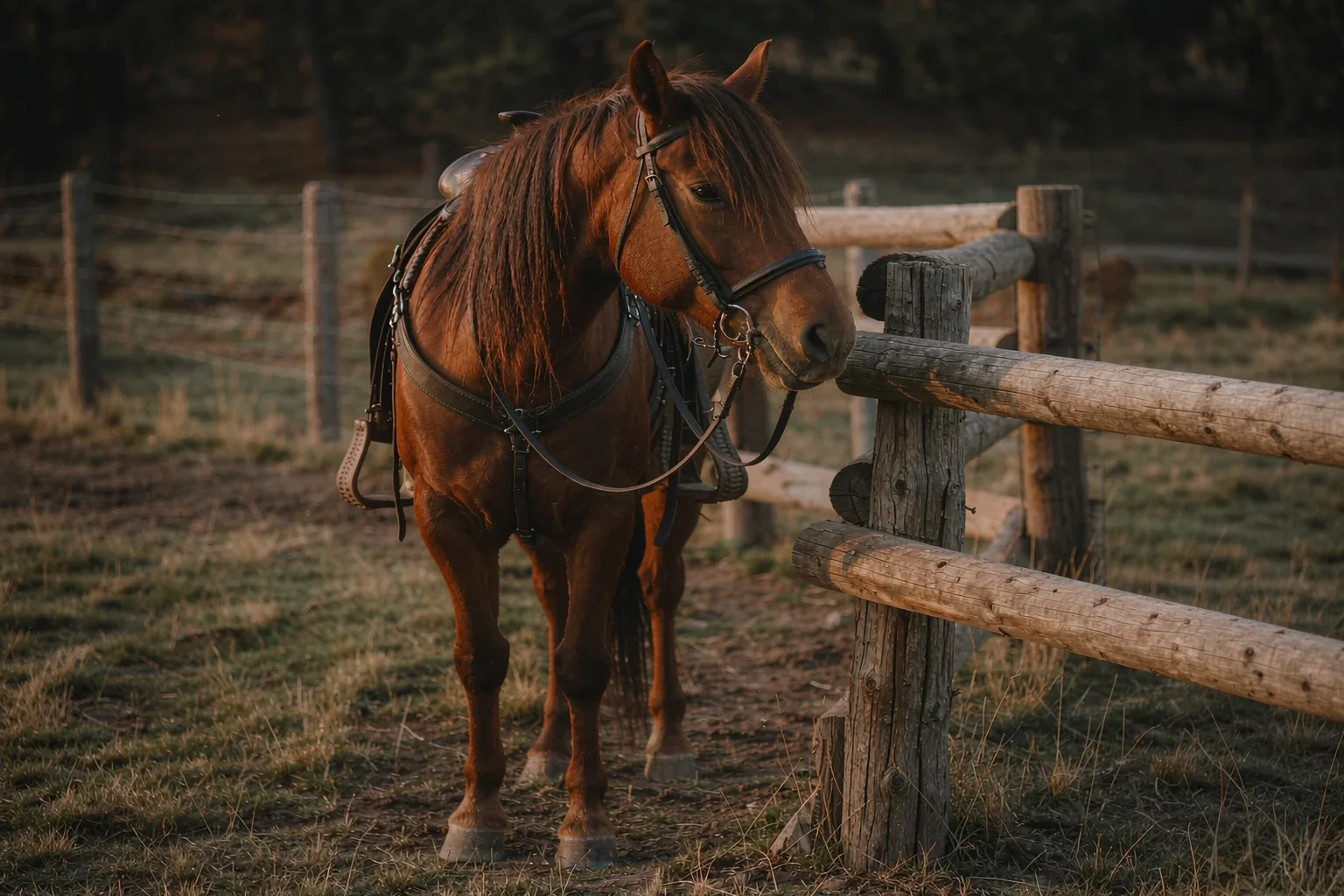
The purchase price is the smallest number in horse ownership. Here is the complete 2026 picture — board, feed, farrier, vet and insurance — with every figure sourced.
A recreational riding horse costs $1,000–$15,000 to buy in the US — with an average purchase price of about $3,000 among hobby owners surveyed by University of Maine Cooperative Extension. But the bill that matters repeats: keeping that horse runs $6,000–$20,000+ every year, for the 25–30 years a healthy horse lives.
The Three Budget Tiers
| Tier | Monthly | Yearly |
|---|---|---|
| Budget Saver — self-care/backyard, barefoot | $400–$700 | $6,000–$9,000 |
| Happy Medium — full board, front shoes, 2 lessons/mo | $1,200–$1,800 | $15,000–$22,000 |
| Competitor — training board, full shoes, showing | $2,500–$4,500+ | $35,000–$60,000+ |
Where the Money Goes
| Category | Typical US Range |
|---|---|
| Full-care board | $600–$2,500+/mo |
| Feed & hay | $120–$250/mo |
| Farrier — trim / full set | $35–$75 / ~$147 per visit |
| Routine vet & vaccines | $400–$900/yr |
| Insurance | $200–$1,500/yr |
| Annual total | $5,110–$31,300+ |
The Emergency Multiplier
Colic surgery averages $5,000–$10,000; laminitis or joint injuries run $1,000–$5,000. The Synchrony Equine Lifetime of Care study found owners underestimate total costs by 3–4×, with 25-year lifetime totals from ~$300,000 to over $924,000.
Bottom Line
Budget by tier, keep a $2,000–$5,000 emergency reserve, and remember location swings the total more than the horse’s price tag does.
The Annual Number, Assembled Line by Line
The headline figure for 2026: a kept horse in the US costs $8,000–$15,000 a year at full-care board, or roughly $5,000–$9,000 farm-kept with your labor. The line items below show where that money actually goes — and where owners underestimate:
| Line | Boarded horse | Farm-kept | Notes |
|---|---|---|---|
| Board / keep | $5,400–$11,000 | $1,200–$2,500 (feed & bedding) | The dominant line either way |
| Farrier | $900–$3,200 | same | Shoes vs barefoot is the swing |
| Routine vet + dental + vaccines | $400–$800 | same | Amortized |
| Deworming per FEC program | $100–$200 | same | Tests + targeted treatment |
| Insurance (major medical) | $350–$800 | same | Optional; see the insurance guide |
| Lessons/training | $1,200–$4,800 | same | Usually the second-biggest line |
| Equipment maintenance + tack | $200–$600 | same | Steady drip, not annual spikes |
| Emergency fund contribution | $1,200–$3,000 | same | $100–$250/month, non-negotiable |
The Numbers People Get Wrong
- The purchase price is 3–8% of lifetime cost (see the lifetime-cost guide) — negotiating $500 on a horse matters less than the farrier schedule you commit to.
- Lessons and training outrun vet care for most owners — the budget conversation is usually about the vet bill while the checkbook bleeds at the trainer’s.
- Winter is a season, not an outlier: +10–15% feed, heater electricity, and the colic risk that comes with both (see winter guide).
- Emergencies are a scheduling certainty, not a possibility. A colic, a lameness, or a laceration statistically arrives within 18 months. The $100–$250/month line is what turns it from a debt into an event.
Monthly View: What $900 a Month Actually Buys
A typical boarded-amateur profile at 2026 prices:
- Board: $700
- Farrier amortized: $170
- Lessons (4/month): $240
- Routine care amortized: $60
- Emergency line: $150
- Total: $1,320/month — and that is a moderately-frugal profile. The $900/month version is farm-kept with self-care and fewer lessons; the $2,000/month version adds training and insurance.
Cut the Bill, Not the Care
- LED shop light — Barn electricity is a real line itemCheck Price
- Smart plug with energy monitoring — See what the heated bucket really costsCheck Price
- Monthly budget planner — Track the $6,000+ without spreadsheetsCheck Price
Where the Budget Actually Flexes
Four levers move the annual number more than any couponing at the tack store:
- Board type. Full care to pasture board saves $3,000–$6,000/yr and costs 45–90 min/day of your labor (see boarding guide).
- Region. Same care, same horse: $6,000 in rural Kentucky vs $14,000 in a coastal metro (see states guide).
- Shoes or no shoes. Barefoot-appropriate horses save $1,000–$2,000/yr — a farrier conversation, not a DIY project.
- Feed discipline. Forage-first with a balancer (see feed guide) is both cheaper and healthier than grain-based feeding for most horses.
The Five-Year Reality Check
Compound the annual number with the predictable bumps: one emergency ($2,000–$10,000), one dental surprise ($500–$1,500), tack replacement ($300–$800). A five-year ownership horizon at 2026 prices is realistically $45,000–$80,000 — before the geriatric years, which is a separate and larger conversation (see lifetime cost).
None of this argues against ownership. It argues for entering with the real number: the horse costs what the horse costs, the emergency fund is part of the horse, and the owner who budgeted $8,000 a year plus reserves enjoys the animal — while the owner who budgeted $5,000 and hopes spends the same years doing arithmetic at 2am.
First-year owner starter kit
- Horse health record book — Every bill, vaccine and farrier date in one place; the fastest way to see where the money actually goesCheck Price
- Barn supply tote organizer — One tote keeps daily tools from migrating around the barnCheck Price
- Digital feed scale — Feed is line one of the budget; weighing beats scooping by the coffee canCheck Price
Guides
Gear & Reviews
Popular Reads
Keep reading: US equestrian industry statistics 2026: 25 numbers · How often should a horse see the farrier?