Best Heated Water Buckets & Tank De-Icers for Winter
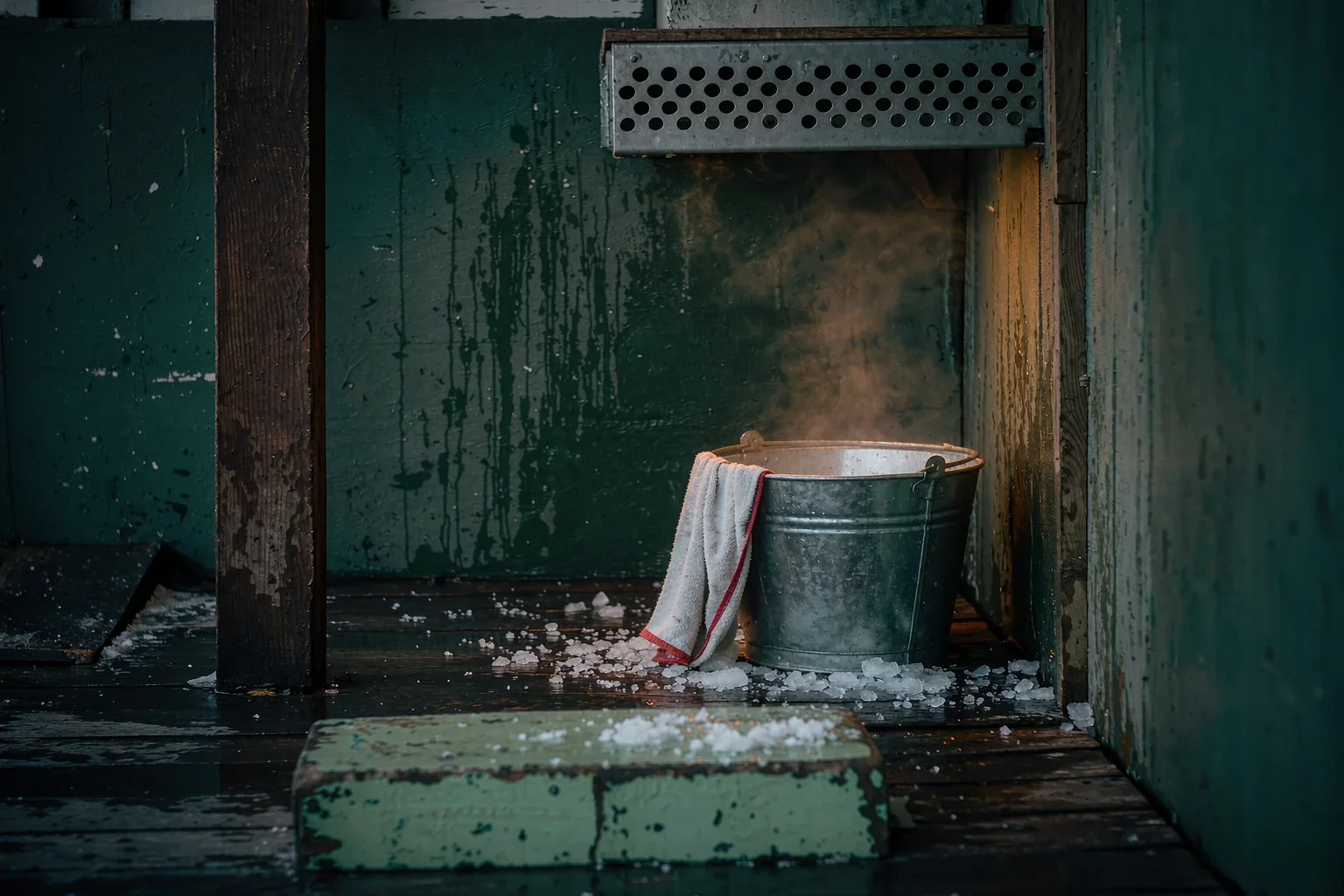
Why Water Is the Winter Problem
Horses drink 5–12 gallons a day at rest, more in work or lactation. When water drops below about 45°F, most horses voluntarily drink less — studies consistently show a 20–40% reduction when water is near freezing versus warmed. Reduced intake in winter is the leading preventable cause of impaction colic, which is why the heated bucket and the tank de-icer are not comfort items; they are colic-prevention equipment.
The second winter problem is ice. A horse that cannot reach water because the whole trough is sealed stands dehydrating for hours; a horse that reaches through ice can be injured. Both problems have cheap mechanical solutions. This guide covers what actually works, by category, with the failure modes the product descriptions do not mention.
The Three Solutions Compared
| Type | Typical cost | Running cost | Best for | Failure mode |
|---|---|---|---|---|
| Heated water bucket (16 quart) | $40–$70 | $0.15–$0.35/day | Stalls and individual paddocks | Element fails or horse chews cord |
| Floating tank de-icer | $35–$60 | $0.30–$0.80/day | Stock tanks 40–150 gal | Trips breaker; horse plays with it |
| Submersible tank heater | $30–$55 | $0.25–$0.60/day | Same tanks, quieter | Mineral build-up; harder to check |
| Thermostatic trough heater | $90–$180 | Only when cold | Permanent troughs | Install cost; needs GFCI circuit |
| Insulated trough cover | $25–$60 | $0 | Mild climates, backup | Does not work below ~20°F |
Heated Buckets: What to Check Before Buying
A heated bucket is a heating element bonded to the bucket floor with a thermostat and a chew-protected cord. The differences between a $40 bucket and a $70 one are real, and they show up in month two:
- Thermostat range. Good units hold water at 40–50°F and cycle off; cheap ones run constantly at full power, costing roughly twice as much electricity and shortening their own life.
- Cord protection. The cord should exit through a metal coil spring at the bucket wall. Horses chew exposed cords; exposed cords kill horses. No spring, no sale.
- Safety listing. Look for UL or ETL listing on the label. A heating element in water with no listing is a fire and electrocution risk that will also void your farm insurance if it fails.
- Element attachment. Elements bonded under the bucket floor outlast immersed elements, which scale up with mineral deposits and fail within a season or two in hard water.
Budget realistically: a well-made heated bucket lasts 3–6 winters. Buy two — one in use and one spare — because the failure always happens on the coldest night of the year, and a horse going a night without water is exactly the impaction-colic setup you bought the bucket to prevent.
Tank De-Icers: The Details That Matter
For a stock tank, the choice is floating versus submersible. Both work; the differences are practical:
Floating de-icers
- Easy to check from a distance — you can see it is on by the open water
- Can be pushed to the side or dunked by a playful horse; look for a guard cage
- Float cord across the tank gets chewed unless it runs over the edge through a cord protector
Submersible heaters
- Sit on the tank bottom, out of the horse’s reach
- Open water over the unit but can ice over at the edges in extreme cold
- Harder to check — if it fails you may not notice until the tank is solid
- Scale build-up in hard water cuts efficiency; descale monthly with vinegar
Either way, three installation rules are non-negotiable. First: GFCI outlet only. A heating element in water on a non-GFCI circuit is a lethal combination, and farm circuits are wet circuits by definition. Second: cable-protected cord runs — run the cord through garden hose split lengthwise for the exposed section. Third: check the water daily. A de-icer that has tripped a breaker is invisible from the barn window.
Sizing the Answer to Your Setup
- One horse in a stall: one 16-quart heated bucket, plus a spare. Total $80–$140.
- Two to four horses on one tank: a 1,500-watt de-icer is sufficient down to about 0°F; below that, or for bigger tanks, step up to 2,000 watts or two units.
- Field herd on a large trough: a thermostatic trough heater or, if there is no power at the trough, plan around it — fill twice daily with warm water, or accept breaking the ice manually and budget the labor.
- No power available: insulated covers and twice-daily warm-water top-ups keep water drinkable above roughly 15°F. Below that, ice management is manual — a mallet and a skimmer net, twice a day, no shortcuts.
Cold-Weather Wiring
- Cold-weather extension cord — Ordinary cords fail at 10 degreesCheck Price
- Outdoor timer outlet — De-icers run hours they shouldn’tCheck Price
- Floating tank thermometer — Verify, don’t assumeCheck Price
The Discipline Rule
The equipment is only half the answer; the habit is the other half. Check water twice a day in freezing weather — morning and evening — and actually look: is the element cycling, is the water level right, is there open water the horse can reach. Ten seconds per visit. The owners who end up at a colic surgery are almost never the ones without a de-icer; they are the ones whose de-icer failed two days earlier and nobody looked.
Track intake where you can. An easy proxy: note how much you add at each top-up. A horse that was drinking 8 gallons a day and drops to 3 is telling you something is wrong — either the water is frozen somewhere upstream, or the horse is entering the impaction window. That number is free, and it is the single most useful early-warning signal in winter horse keeping.
Winter Setup Cost, Realistically
For a typical two-to-four horse backyard setup with one 100-gallon trough and two stalls:
- 2 × heated buckets: $80–$140
- 1 × floating de-icer with guard: $40–$60
- GFCI outlet install (if not present): $120–$250 one-time, electrician
- Cord protection and spares: $25–$40
- Winter 1 total: $265–$490; subsequent years roughly $60–$120 in replacements
Set against a single impaction colic — minimum $300–$500 for an after-hours farm call with treatment, $5,000–$8,000 for surgery — the colic-prevention arithmetic is not close. The equipment pays for itself the first winter it lets you avoid one vet call.
Winter water kit
- 16-qt heated bucket — Plug-in simplicity for a single stalled horseCheck Price
- Floating tank de-icer — Keeps group troughs open without draining powerCheck Price
- Thermometer for water — Cheap check that your heater is actually holding 45–65°FCheck Price
Guides
Gear & Reviews
Popular Reads