The Best Horse Breeds for Beginner Riders (and What They Cost)
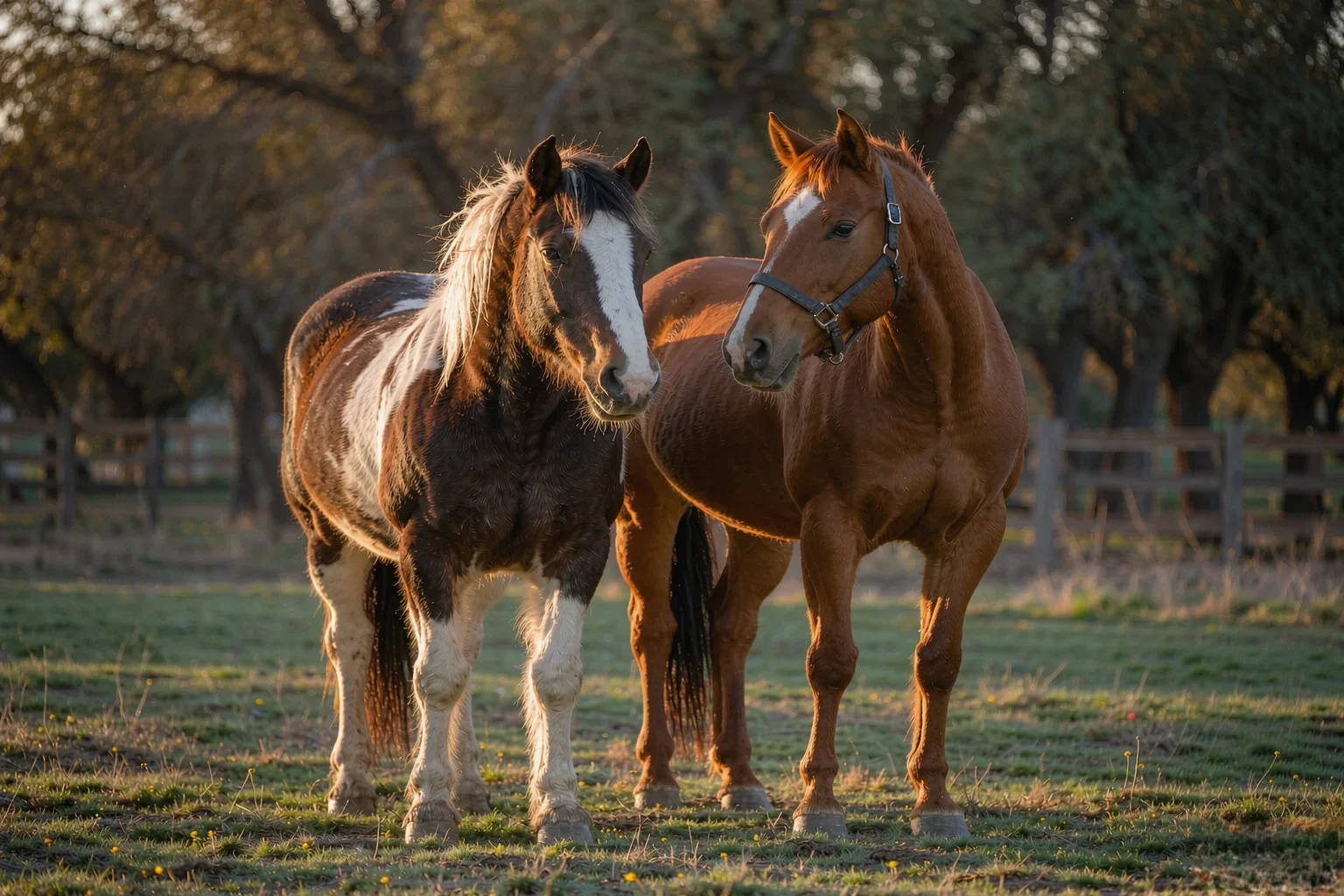
Temperament beats pedigree every time — but some breeds start you further ahead. A practical shortlist with 2026 prices.
The best beginner horse is defined by temperament and training, not breed — but breed tendencies are real data points.
The Shortlist
| Breed | Typical price (started) | Why they work |
|---|---|---|
| Quarter Horse | $3,000–$8,000 | Steady, versatile, the US default for a reason |
| Paint Horse | $2,500–$7,000 | QH temperament with color; same market |
| Grade (unregistered) | $1,500–$5,000 | Same horse without the paperwork premium |
| Haflinger / draft crosses | $3,000–$8,000 | Calm, sturdy, forgiving of rider errors |
| Morgan | $3,500–$8,000 | Sensitive but willing; great all-rounders |
| Icelandic | $5,000–$10,000 | Small, smooth-gaited, famously level-headed |
What Matters More Than Breed
- Age sweet spot: 8–15 for first owners — trained, matured, still decades of work left
- Task history: a horse that has done your discipline calmly for years beats a younger fancier one
- The PPE: regardless of breed — never skip the pre-purchase exam
Budget the Ownership, Not the Purchase
A $3,000 QH with $12,000/yr upkeep is cheaper over five years than a $8,000 horse you can’t afford to keep properly. Run your numbers in the ownership calculator.
What “Good Beginner Breed” Actually Means
Breed is a weak predictor and temperament is a strong one — but breed sets the probability distribution. What a beginner actually needs is a horse that is: forgiving of unbalanced aids, not flighty, physically durable at light work, cheap to keep (size drives feed cost), and old enough to have seen the world. That profile exists in every breed and is absent in every breed — the breed tells you where to look, the individual tells you whether to buy.
The Breeds, Honestly Compared
| Breed | Strengths for beginners | Watch for | Size / keep cost |
|---|---|---|---|
| Quarter Horse | Calm disposition, versatile, durable, most available breed in the US | Bred for reactivity in some bloodlines (racing/cutting lines) | 14.3–16h / moderate |
| Paint | QH temperament with color; same market | Same bloodline caveat | 14.3–16h / moderate |
| Grade horses (unregistered) | Half the price, often QH-type temperaments | No papers; PPE matters even more | varies |
| Morgan | Personable, willing, sound, all-around | More “forward” than QH; still beginner-suitable | 14.1–15.2h / moderate |
| Welsh pony / POA (for kids) | Right size, hardy, sensible | Ponies are escape artists; schooling matters | 12–14.2h / low |
| Icelandic | Unflappable, small, five gaits, long-lived | Import cost; different gait culture | 13–14h / low |
| Haflinger | Steady, strong, easy keepers | Easy keeper = laminitis watch (see spring grass guide) | 13.2–15h / low-moderate |
| Appaloosa | QH-adjacent, durable | Same bloodline caveat; some lines sensitive | 14.3–16h / moderate |
The Bloodline Caveat Explained
“Quarter Horse” describes a registry, not a temperament. A ranch-bred QH from working lines has been selected for a level head around cattle; a racing-line QH has been selected for explosive speed off a gate. Both are Quarter Horses. When evaluating any registered horse, ask what line it is from and what those lines were selected for — then judge the individual in front of you on behavior, not the breed name on the papers.
Age Is a Bigger Lever Than Breed
For a first owner, the ideal window is 8–15 years old: trained, demonstrated durability, past the volatile years, before the geriatric cost curve. A 12-year-old grade gelding with a sane mind and clean legs is a better first horse than a 5-year-old registered anything. The market underprices older-sane horses and overprices young-pretty ones — which is precisely the beginner’s opportunity.
Rider Fitness Comes First
- Balance board trainer — An independent seat is built off-horseCheck Price
- Thick non-slip yoga mat — Hip mobility means quieter legsCheck Price
- Horse behavior book — Read the horse before you buy oneCheck Price
Temperament Testing at the Viewing
Whatever the breed, run these five observations:
- The catch test. Does the horse come to the gate or flee to the back of the field? Catch-ability predicts daily life more than any riding demo.
- The ear test. Clap once behind the horse. A sensible horse startles and returns to eating within seconds; a reactive one does not come back down.
- The saddle test. Watch the horse being tacked. Pinning ears, biting at the girth, or movement are pain or training problems — ask which.
- The ride test for you. Ride it yourself, not the seller. A horse that behaves for the seller and not for you is telling you the truth about its training depth.
- The second-day rule. See the horse twice. Horses, like barns, have good days.
The Cost Frame
At 2026 prices, the beginner-appropriate band is $2,000–$5,000 for a registered QH-type 8–15 with basic training, less for grade horses (see the purchase-price guide). Keep cost scales with size: a 15-hand easy keeper is a hay line item of $130–$180 a month; a 16.3-hand warmblood is $220–$320 — and the difference compounds across a 20-year ownership.
The summary rule: buy the boring, sound, slightly-old horse of a sensible breed from a seller who answers questions with records. The exciting horse is for the second purchase.
First-horse essentials
- Horse riding for beginners book — Learn the basics before the first lessonCheck Price
- Complete grooming kit — Bonding happens at the cross tiesCheck Price
- Horse treats — The fastest way to a beginner-friendly partnership, used sparinglyCheck Price
Guides
Gear & Reviews
Popular Reads