Horse Boarding Costs Explained: Full Care vs. Pasture vs. Self-Care
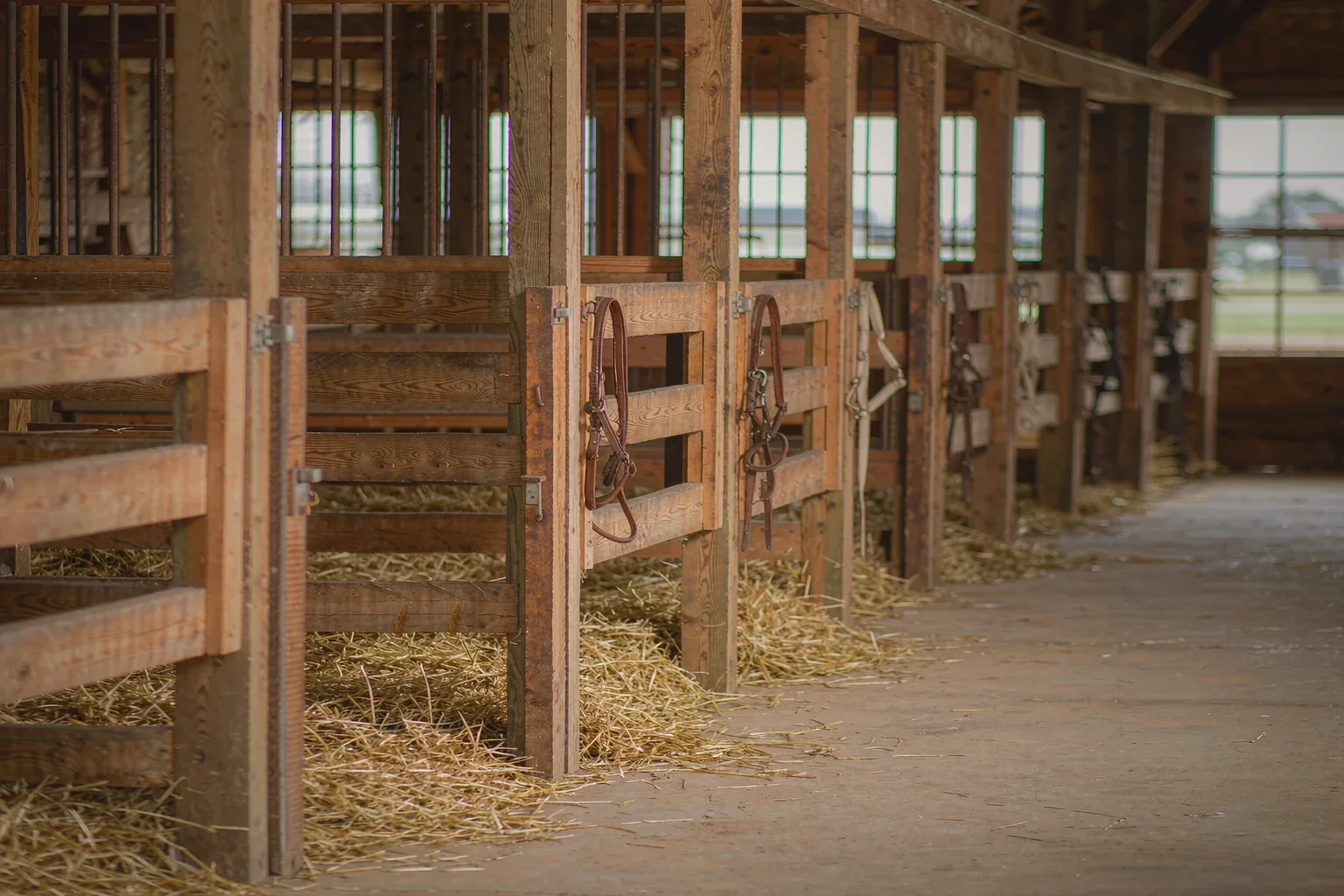
Where your horse lives matters more than what you paid for it. A practical comparison of the three US boarding models — and who each one suits.
Board is the single largest line item in most horse budgets — and it swings more than any other cost with geography and service level.
The Three Models
| Model | Monthly (US) | You get | You do |
|---|---|---|---|
| Full care | $600–$2,500+ | Stall, hay, grain, cleaning, turnout, daily checks | Show up and ride |
| Pasture board | $150–$600 | Herd living, run-in shelter, hay as agreed | Check-ins, fly/water in summer |
| Self-care | $100–$450 | Rented stall/pasture only | Everything: feed, water, muck, schedule |
Why Full-Care Barns Charge What They Do
Barn owners report that at $500–$600/month they barely break even once hay, bedding, labor, insurance, utilities and maintenance are counted — which is why rates have climbed since 2021.
How to Choose
- Full care — best if you travel, work long hours, or want structured support. You pay cash to save time.
- Pasture — best balance for most amateur owners, but budget supplemental hay in winter or drought.
- Self-care — cheapest in dollars, most expensive in time. You need a backup plan for travel days.
Regional Reality Check
Kentucky, Tennessee and Ocala routinely board at roughly half the rates of California, New York and Florida. Before signing anywhere, ask exactly what the rate includes — feed, hay, supplements, blanket changes, scheduling vet/farrier — and get it in writing.
What Each Boarding Type Actually Includes
“Board” prices range from $150 to $2,200 a month for the same species of animal, and the difference is what the barn’s staff does versus what you do:
| Type | Included | Your jobs | 2026 monthly |
|---|---|---|---|
| Pasture board | Field, hay, water, herd turnout | Own vet/farrier scheduling; often own blanketing | $150–$400 |
| Self-care stall | Stall, turnout access, water | Feeding, mucking, hay handling | $200–$450 |
| Partial board | Stall, hay, feeding | Mucking, turnout (often), own scheduling | $300–$600 |
| Full care | Everything: feed, mucking, turnout, blanket changes, holding for farrier/vet | Ride, pay, visit | $450–$1,000 |
| Full care + training | Full care plus 3–5 rides or lessons weekly | Pay more | $800–$2,200 |
What Full-Care Contracts Hide
The advertised rate is the floor. The real cost lives in the fee schedule:
- Hold fees: $10–$25 per event for staff to hold the horse for farrier or vet — small per instance, $40–$100 a month in practice.
- Blanket change fees: $2–$5 per change, which in a swing-season week is real money.
- Supplement fees: $0.50–$2 per feeding to administer what you supply.
- Turnout guarantees in name only: “daily turnout” with a blanket of exceptions (weather, footing, “manager’s discretion”) means a horse stood in 23 hours a day in a wet month. Ask how many days turnout was missed last month — staff know.
- Hay type and amount: full care typically includes 2 flakes twice daily. A hard keeper needing 4 flakes per feeding is an upcharge conversation; know before you sign.
The Q&A That Predicts the Experience
Five questions whose answers predict whether the barn’s reality matches its brochure:
- “Who exactly holds my horse for the farrier, and is there a fee?”
- “What is your vet authorization policy and dollar threshold?”
- “How many days of turnout did the average horse get last month?”
- “What is your notice and refund structure if I leave or if you raise rates?”
- “Show me where my hay, my supplements, and my blankets would live.”
Question 3 is the most revealing: staff know the number, and barns that track it answer instantly. Hesitation means the answer is not flattering.
If You Do the Chores Yourself
- Cordless drill set — Every self-care barn needs one within reachCheck Price
- Rechargeable LED headlamp — Winter chores happen in the darkCheck Price
- Heavy-duty garden cart — Cheaper than a second wheelbarrowCheck Price
The Pasture-Board Decision
Pasture board at $250 versus full care at $700 saves $5,400 a year — and costs 30–60 minutes a day of your labor for feeding, checking, and blanketing in season. The honest comparison includes:
- Winter labor in cold climates (breaking ice, hauling water) is the hardest part of self-care.
- Vacation coverage is your problem; a barn relationship for relief care is worth arranging in advance.
- Herd dynamics: large pasture groups need compatible personalities; ask how the barn manages introductions and injuries.
- Observation time: a horse in a 20-acre field is harder to monitor daily than one in a stall. Owners of pasture-boarded horses need a deliberate daily-look habit.
Costs Beyond Board
Board covers housing and care, not the horse’s actual expenses. Budget separately for: farrier ($450–$3,200/yr depending on shoes), routine vet and dental ($300–$600/yr amortized), vaccines, deworming per the FEC program, supplements, lessons or training, tack and its maintenance, and the emergency line. Full annual cost for a boarded horse in 2026 is realistically board × 12 plus $2,500–$6,000.
One structural note: board is the single largest line in horse keeping, and it is the line where regional arbitrage pays most — the same care costs half in a hay-growing county 90 minutes from a metro. Owners who relocate for boarding costs save $4,000–$8,000 a year; owners who stay near cities pay for the convenience of proximity and should at least know that is what the money buys.
Boarding sanity kit
- Stall WiFi camera — You are paying for care you cannot see; $30-60 buys proofCheck Price
- Horse owner planner binder — Boarding, lessons, farrier — one binder beats five appsCheck Price
- Electric boot dryer — Boots dry overnight after morning choresCheck Price
Guides
Gear & Reviews
Popular Reads
Keep reading: 12 boarding barn red flags to check before you sign