How Long Do Horses Live — and What Does a Lifetime Cost?
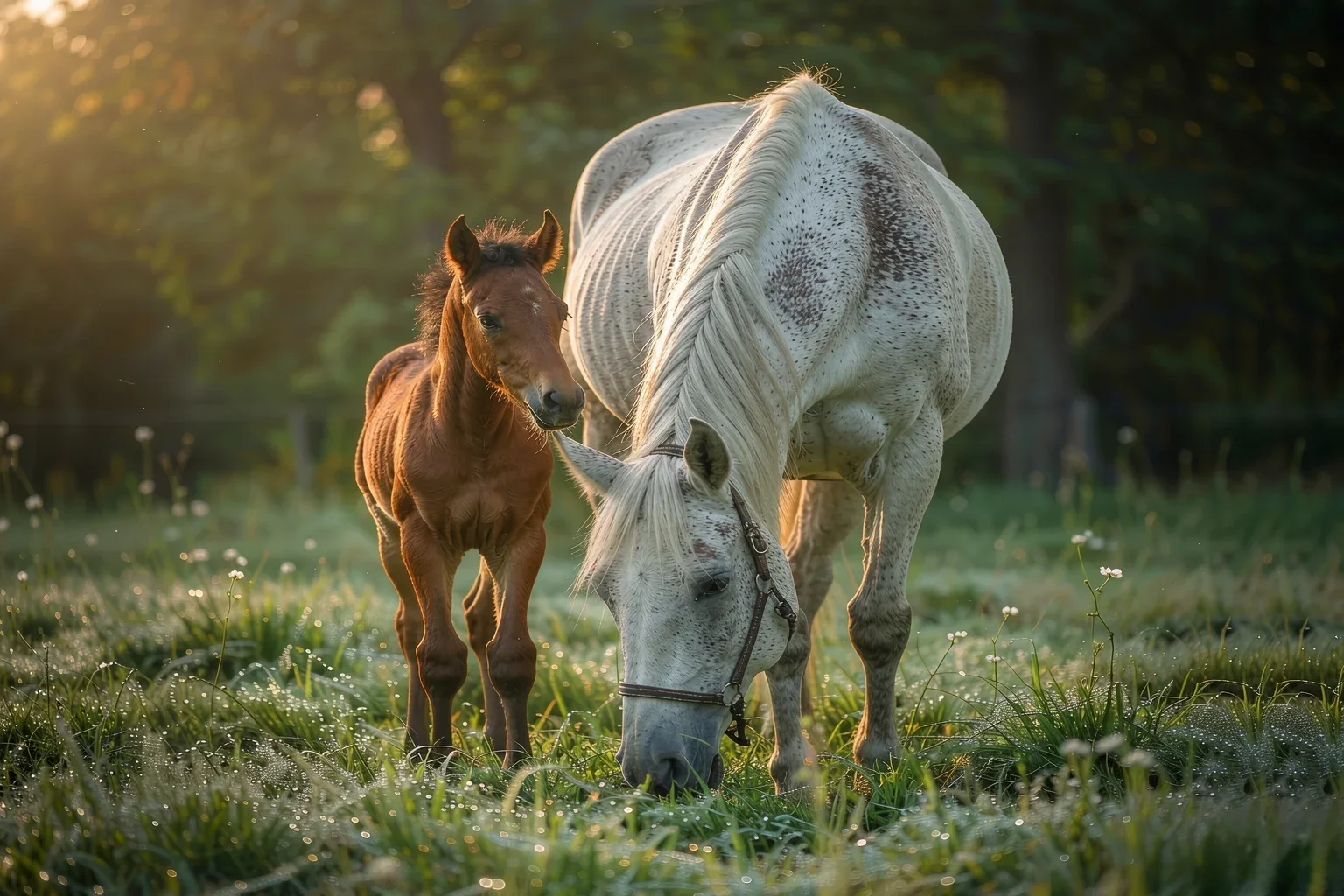
Modern horses routinely reach their late 20s. Budgeting for a 25–30 year partnership changes every decision you make at purchase.
Horses live 25–30 years on average, with well-cared-for ponies often passing 30. That makes horse ownership one of the longest commitments in the pet world — and the financial math needs to respect it.
Lifetime Totals, Per the Data
The Synchrony Equine Lifetime of Care study put 25-year totals at roughly:
| Care model | 25-year lifetime total |
|---|---|
| Backyard / self-care | ~$300,000 |
| Average amateur (full board) | ~$600,000+ |
| Competitive show program | ~$924,000+ |
Reading the Numbers Without Panic
- Most of that total is board + feed + routine care — predictable, budgetable
- Emergencies are the wild card: the $2,000–$5,000/yr reserve or insurance exists for them
- Semi-retirement years still cost — a “free” retiree still eats
What This Means Before You Buy
Buy the horse you can afford annually, not the horse you can afford once. Our tier breakdown and calculator exist for exactly this decision.
The Lifetime Arithmetic
A horse bought at age 8 and kept to 30 costs, at 2026 prices, somewhere between $150,000 and $400,000 depending on region and level of care. The purchase price — the number everyone negotiates — is 3–8% of the total. Every budgeting mistake in horse ownership traces back to budgeting for the purchase instead of the lifespan.
| Life stage | Years | Annual cost | Stage total |
|---|---|---|---|
| Active adult (5–15) | 10 | $8,000–$15,000 | $80,000–$150,000 |
| Senior maintenance (15–22) | 7 | $7,000–$12,000 | $50,000–$85,000 |
| Geriatric care (22–30) | 8 | $9,000–$20,000 | $70,000–$160,000 |
| End-of-life (euthanasia, disposal, time off) | — | $500–$2,500 | $500–$2,500 |
Why Geriatric Years Cost More Than Active Years
Three costs climb after age 20:
- Dental. Older horses lose the grinding surfaces; care moves from annual floating to 4–6 month exams, extractions ($300–$800 per tooth, surgical ones $1,500+), and eventually complete feed changes to soaked cubes — which cost 2–3× hay per calorie.
- Chronic medication. Equine arthritis (almost universal past 20) is managed with nightly NSAIDs or injections: $50–$200 a month in meds, or $600–$1,500 per joint-injection cycle.
- The diagnostic cascade. Weight loss in a 25-year-old is never one answer. Bloodwork, dental films, abdominal ultrasound — the workups are justified and they are $500–$2,000 each.
The honest planning number: a horse over 22 costs 30–80% more per year than the same horse at 10, and that is the baseline before any acute illness.
How Long Horses Actually Live
Modern domestic horses routinely reach 25–30 years; ponies and smaller breeds commonly reach 30+. The oldest verified horses exceeded 50, though that is exceptional. Life expectancy has extended with dental care, parasite control and senior feed — a “25-year-old horse” in 2026 is at a life stage that was a 15-year-old’s in 1970.
The planning consequence: buying a 10-year-old is not buying 15 years of ownership, it is buying 15–20. The math in this guide assumes you keep and care for the horse to the end, which is the commitment actually being made.
The Retirement Question, Priced Honestly
Three options exist for the retired years, with real trade-offs:
- Keep and retire in place — the horse costs the same or more (meds, dental) while producing nothing. The default for a reason.
- Retirement boarding facility — $250–$600/month in lower-cost regions, $500–$900 near metros. Cheaper than your own board if you relocate the horse to a hay-growing area, and these facilities are set up for geriatric monitoring.
- Rehoming as a companion or light-use horse — transfers cost, but transfers control. Ethically this means vetted homes with a written agreement and (honestly) accepting you have ceded the horse’s final years to someone else’s judgment.
Sanctuaries and “retirement ranches” promising to take any horse free of charge do not exist at any meaningful scale; a surrender typically costs $3,000–$10,000 in a donation to a legitimate organization.
Thirty Years Deserve Keeping
- Wifi digital photo frame — Rotate thirty years of barn photosCheck Price
- Equestrian journal — The record you will rereadCheck Price
- 4×6 photo printer — Barn-office wall materialCheck Price
Building the Fund
The most reliable structure: a dedicated savings line of $150–$250/month from the day the horse arrives, held separately from the operating budget. In 10 years that is $18,000–$30,000 — the geriatric and end-of-life bill for one horse, funded at $2 a day rather than as a crisis. Major medical insurance covers acute events but not the chronic wear of age; the savings line covers what insurance will not.
End-of-life costs deserve an explicit plan: euthanasia ($100–$300 with farm call) plus body disposal ($150–$600 for rendering or composting depending on state law; burial and cremation more). Deciding this in advance, including your state’s disposal rules, is a kindness to your future self on the worst day of ownership.
The 30-year planning kit
- Horse memory photo album — A lifetime of ownership earns a full albumCheck Price
- Horse birthday treat kit — Twenty-five-plus birthdays is a milestone worth planning forCheck Price
- Senior joint supplement — The last-third-of-life line item worth budgeting forCheck Price
Guides
Gear & Reviews
Popular Reads
Keep reading: Senior horse care: what changes after 18