Horse Teeth Floating: Why the Annual Visit Pays for Itself
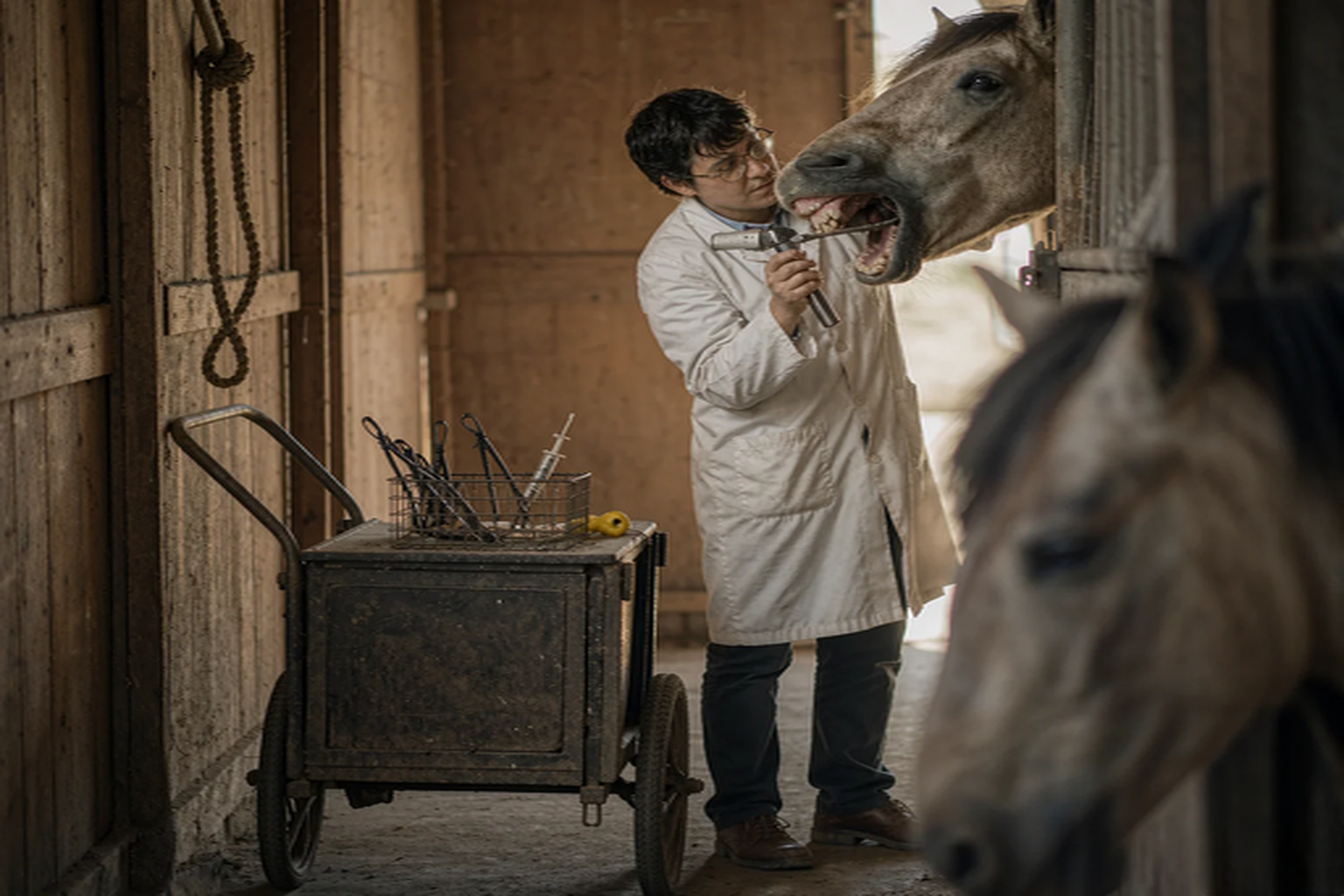
Sharp enamel points are invisible from the outside — and they quietly sabotage weight, performance and feed bills.
Horses chew with a sideways grind that wears the lower teeth on the inside and upper teeth on the outside, forming razor-sharp enamel points. Left alone, they lacerate cheeks and tongues. Floating — filing those points — runs $150–$350 per session, typically once or twice a year.
Signs Your Horse Is Quietly Suffering
- Dropping feed (quidding) or eating slowly
- Whole grains or long-stem fibers in manure
- Head-tilting or resistance on one rein
- Unexplained weight loss despite good feed
- Odor from the mouth or one nostril
The Economics
Poorly chewed feed is wasted feed — and wasted money. A horse with sharp teeth can lose a meaningful share of caloric value from every flake. Over a year, the dental bill is frequently smaller than the hay it wastes, before counting colic risk from poorly digested feed boluses.
Schedule
- Young horses (2–5): often twice yearly — erupting caps and wolf teeth
- Adults: annually
- Seniors (18+): 1–2× yearly — worn or missing teeth change chewing entirely
Prevention beats the alternative: see our master care calendar for every interval in one table.
Why Teeth Need Floating at All
A horse’s teeth are hypsodont — they erupt continuously through life (2–4mm a year) to compensate for a diet of abrasive forage. Chewing is a circular grind, but the upper jaw is wider than the lower, so the teeth wear in characteristic patterns: sharp enamel points form on the outside of the uppers and inside of the lowers, and the points cut into cheeks and tongue.
Floating — filing those points and correcting the wear pattern — is not cosmetic. Unfloated points cause: cheek ulcers that make the horse resist the bit, inefficient grinding that feeds poorly-chewed fiber to the hindgut (a colic risk factor), weight loss in extremes, and the quidding that signals dental failure.
The Annual Exam: What Gets Found
| Problem | Found at exam | Treatment cost (2026) |
|---|---|---|
| Sharp enamel points | Universal in unfloated mouths | Included in float |
| Hooks and ramps | Wear imbalance; worsens annually if missed | $50–$150 extra to correct |
| Wolf tooth issues | Bit interference in young horses | $50–$150 extraction |
| Diastemas (gaps) | Common 15+; feed packs, gum disease | $200–$600 management |
| Infected/loose teeth | Smell, swelling, quidding | $300–$800; surgical $1,500+ |
| Wave mouth / step mouth | Severe wear pattern from long neglect | Ongoing; often uncorrectable |
What “Annual” Actually Means by Age
- 2–5 years: annual, plus monitoring of caps (deciduous teeth) and wolf teeth before bitting.
- 5–17 years: annual exam and float for most; every 6 months for performance horses where bit comfort is income.
- 18+: every 6 months — wear patterns shift as teeth shorten, and problems move faster.
The exam should include a full oral speculum examination with the mouth opened and every surface felt — not a look with a flashlight at the front teeth, which is the equine equivalent of checking a car by looking through the windshield.
After the Float
- Senior horse feed — Easier to chew, easier to digestCheck Price
- Stainless steel feed scoop — One scoop, one true measureCheck Price
- Immersion bucket heater — Warm mash on cold morningsCheck Price
The Cost Math Against the Alternative
An annual float runs $150–$350 (power floating with a vet, including sedation, in most regions). Set against what dental neglect costs:
- Weight loss workup triggered by dental failure: $500–$2,000 (bloodwork, dental films, possible abdominal ultrasound)
- Colic risk from poorly-chewed feed: impaction episodes $500–$2,500 each
- Bit-related behavioral problems misdiagnosed as training issues: months of wasted lessons and training fees
- Extractions late in the failure curve: $300–$1,500 per tooth, plus the feed-cost increase of a horse that can no longer manage hay
The annual float is the cheapest dental medicine in ownership, and it is also the one that most directly affects the horse’s daily comfort at work.
Signs Between Visits That Should Not Wait
- Quidding — dropped balls of chewed hay
- Slow eating or hay slobber — wet hay balls left in the bucket
- Whole grains in manure (some passage is normal; visible intact hay volume is not)
- Head tossing or resistance on one rein, especially consistent to one direction
- Facial swelling over a tooth root, or a one-sided nasal discharge with smell
- Weight loss with unchanged feed
- Foul mouth odor
Any of these between annuals warrants moving the exam forward; several together are urgent.
Who Should Do the Work
Regulation varies by state: in most, full dental work including extractions is veterinary practice, and equine dental technicians work under vet supervision or with defined scopes. The practical standard: a vet with dental specialty training and a power float, under sedation, with a speculum. Sedation is not optional for a thorough exam — a full float on a standing unsedated horse is a superficial one. Bargain floats that skip sedation are the ones that miss the molars, which is where the expensive problems live.
Dental-support gear
- Slow feed hay net — Matches how teeth actually wear; prevents quidding lossesCheck Price
- Equine dental mirror kit — Spot sharp enamel points between annual floatsCheck Price
- Treat-dispensing ball — Extra chewing motion between floatsCheck Price
Guides
Gear & Reviews
Popular Reads