Spring Grass and Laminitis: Preventing the Predictable
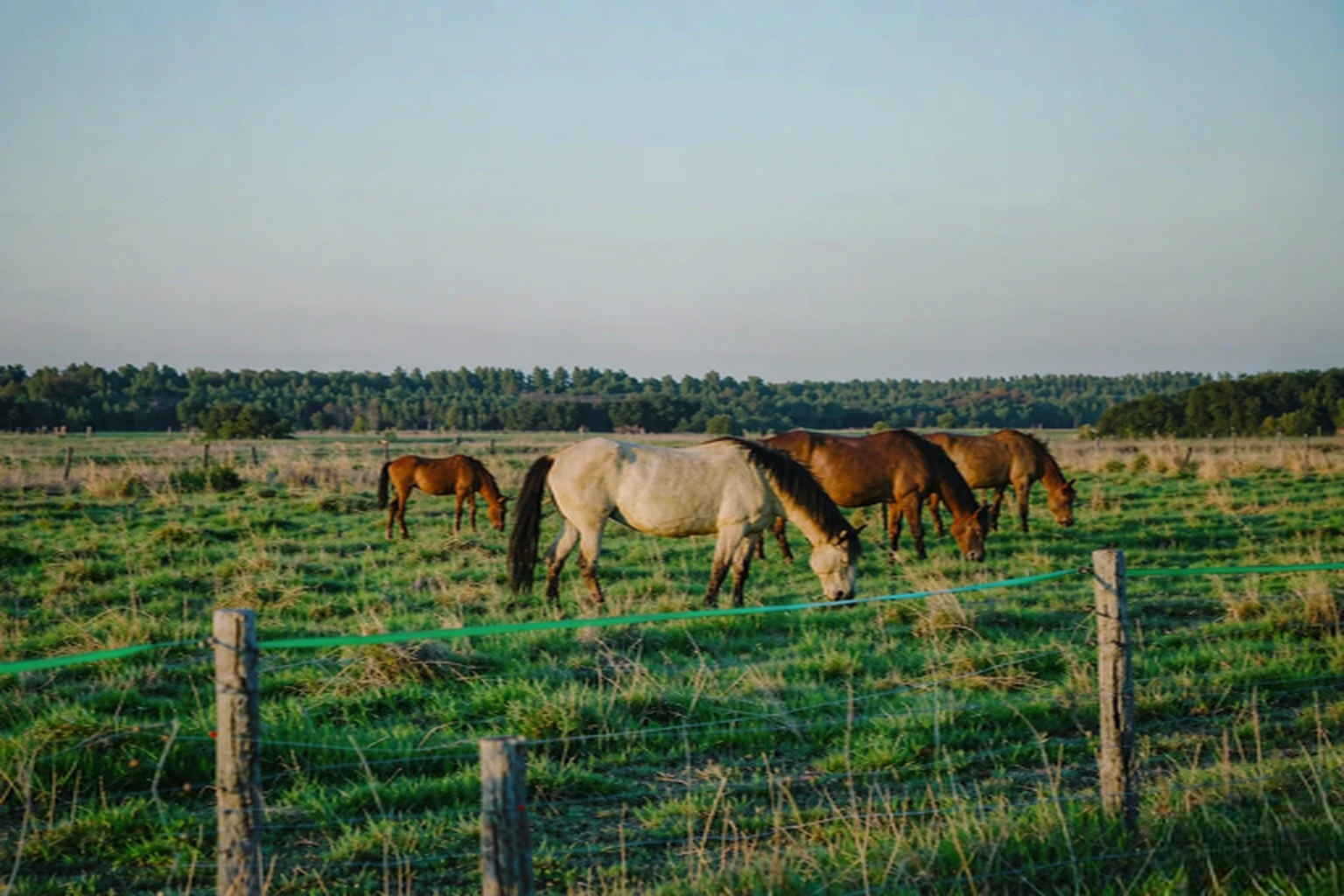
Lush spring pasture is a metabolic minefield for easy keepers. The gradual-introduction plan that prevents most spring laminitis cases.
Every spring, the same pattern: fresh grass comes in, easy keepers get sore feet, and vets treat a wave of laminitis — a painful, potentially career-ending hoof condition costing $1,000–$5,000 to treat.
Why Spring Grass Is Dangerous
New grass is high in sugars (fructans) and low in fiber. For insulin-dysregulated horses — often the chubby, cresty-necked “easy keepers” — it can trigger the metabolic cascade that inflames the laminae holding the hoof together.
The Gradual Introduction Plan
| Weeks | Turnout time (with muzzle or restricted pasture) |
|---|---|
| 1–2 | 15–30 min/day |
| 3–4 | 45–60 min/day |
| 5–6 | 2–3 hours/day |
| 7+ | Normal turnout, monitor condition |
Know Your Risk Horses
- Cresty necks, fat pads above eyes or tailhead
- Any history of laminitis or “sore after spring turnout”
- Diagnosed Equine Metabolic Syndrome or PPID (Cushing’s)
Warning Signs — Act Same-Day
Reluctant turning, “walking on eggshells,” digital pulse in the fetlock area, or shifting weight between front feet: pull from grass, call the vet. Early treatment massively changes outcomes.
Pair with our seasonal care calendar.
The Sugar Mechanism
Laminitis — the inflammation and failure of the tissue that suspends the coffin bone inside the hoof — is triggered in pasture horses primarily by fructan and non-structural carbohydrate (NSC) load. Grass makes sugar by photosynthesis during the day and stores it at night only when temperatures allow growth. When days are sunny and nights are cold (below roughly 40°F), photosynthesis outruns growth and sugar accumulates in the leaf — which is why sunny frost mornings are the highest-risk grazing hours of the year, not midday.
Insulin-dysregulated horses — ponies, easy keepers, cresty-necked horses, any with laminitis history — respond to that sugar load with the insulin spike that precipitates laminitis. The disease is expensive ($3,000–$10,000 in acute vet care, often chronic management after) and largely preventable with turnout management.
The Risk Calendar
| Period | Risk | Why |
|---|---|---|
| First spring growth (buds to 6”) | Highest | Concentrated sugar in new growth; horses adapted to winter hay hit it cold |
| Sunny cold nights, any season | High | Sugar accumulates overnight |
| Summer drought-stressed grass | Moderate–High | Stressed grass holds sugar, stops growing |
| Autumn flush after rain | High | Regrowth is sugar-rich |
| Rank mature grass, cloudy warm days | Low | Growth consumes the sugar as it is made |
The Gradual Introduction Protocol
The transition from winter hay to spring pasture should run 3–4 weeks for metabolically normal horses and be managed with a muzzle for at-risk ones for the whole season:
- Week 1: 15–30 minutes of grazing, mid-morning (after the frost sugar has been metabolized), immediately after the horse has eaten hay — a gut already full of fiber slows sugar absorption.
- Week 2: 45–60 minutes, same window.
- Week 3: 2–3 hours, watch feet daily.
- Week 4 onward: unrestricted for easy keepers only if body condition holds; at-risk horses stay muzzled or dry-lotted with hay.
Manage the Grass, Not Just the Horse
- Grazing muzzle — The only tool that beats spring grassCheck Price
- Measuring wheel — Know your paddock square footageCheck Price
- Wireless rain gauge — Grass follows the rain two weeks laterCheck Price
Who Is “At Risk” — The Honest List
- Ponies, donkeys, miniature horses — genetically insulin-dysregulated as a group.
- Any horse with a previous laminitis episode — recurrence is the rule, not the exception.
- Cresty neck, fat pads above the tail head, BCS 7+ — visible phenotype of insulin dysregulation.
- Horses with PPID (Cushing’s) — typically older, often shaggy-coated; extremely laminitis-prone and usually needs pergolide plus strict grass management.
- Horses on a recent steroid dose — corticosteroids and grass sugar interact badly in susceptible individuals.
An oral sugar test or insulin curve ($150–$300 through your vet) converts this list from appearance-based to measured — worth doing once for any easy keeper entering its first spring with you.
Muzzles: The Tool That Actually Works
Grazing muzzles reduce grass intake by 30–80% depending on fit and grass density — documented across multiple studies, and the only practical way to give an at-risk horse turnout hours without the sugar load. The discipline points:
- Fit matters: one finger of clearance at the jaw, the muzzle sitting above the nostrils without rubbing, and a breakaway attachment on the headcollar.
- Introduce gradually — 30-minute sessions first; horses initially frustrated learn to graze through it within a week.
- Check rub points daily and rotate between two muzzles if the horse is turned out daily.
- The muzzle does not make the horse safe on a frost morning — intake reduction is not intake elimination. The calendar still applies.
The 3am Laminitis Exam
Recognizing laminitis early changes the outcome more than any treatment afterward:
- Characteristic stance — front feet stretched forward, weight rocked back onto the heels.
- Bounding digital pulses — learn to feel the pulse over the fetlock when the horse is healthy so you know what “bounding” feels like.
- Heat in the hoof walls lasting hours (brief warmth after exercise is normal).
- Reluctance to turn or walk on hard ground; the “tie-up-in-the-field, won’t-load” presentation is often laminitis, not behavior.
Call the vet immediately and get the horse off grass — into a deeply bedded stall with hay. Do not force walking; acute laminitis is not a colic, and movement on failing lamellae worsens displacement.
Laminitis-season gear
- Grazing muzzle — The single most effective spring tool for easy keepersCheck Price
- Strip grazing fence tape — Split paddocks without building new fenceCheck Price
- Horse weight tape — Weekly numbers catch the creep before it becomes a diagnosisCheck Price
Guides
Gear & Reviews
Popular Reads