Tennessee Walking Horse: Prices, Costs and What to Know (2026)
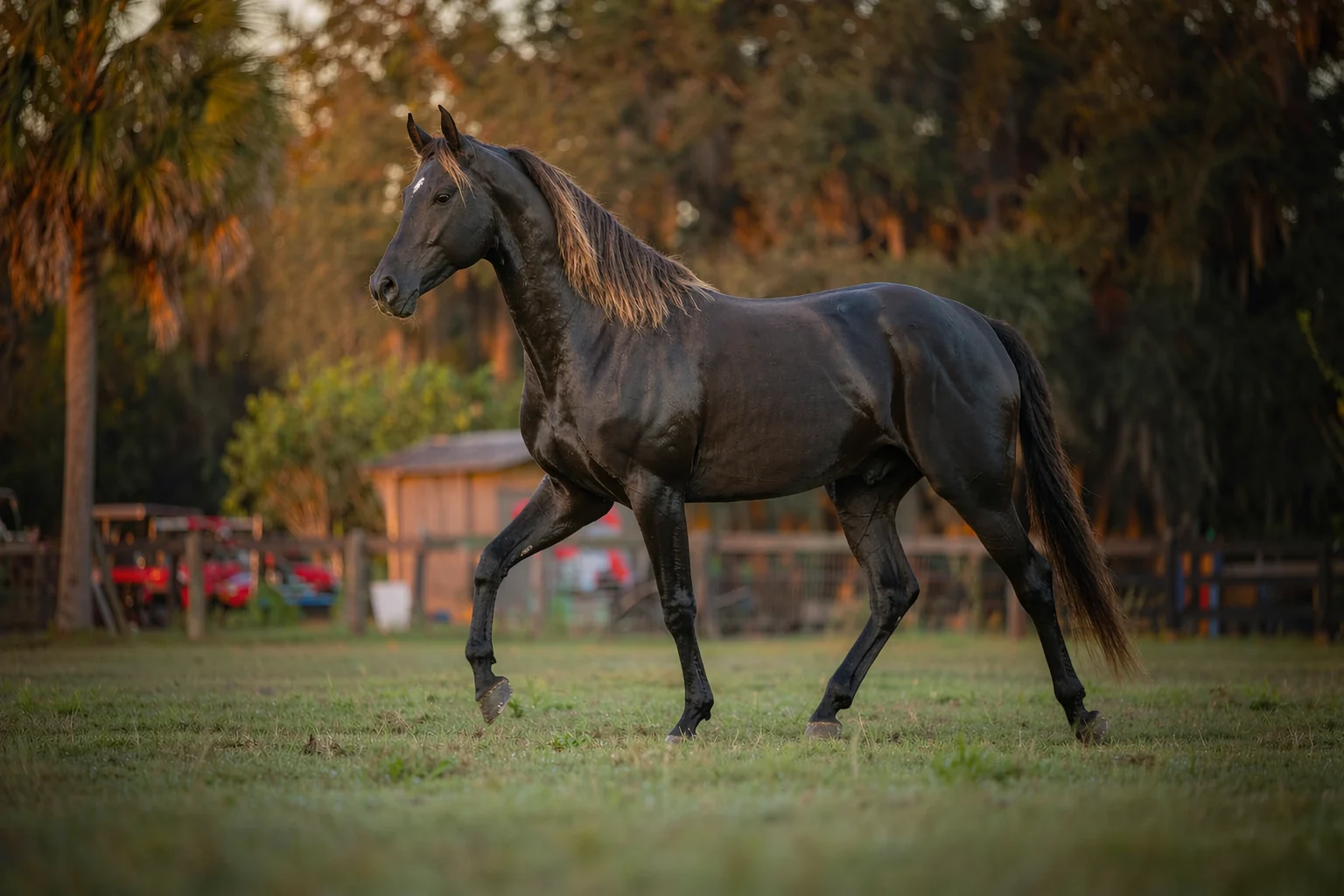
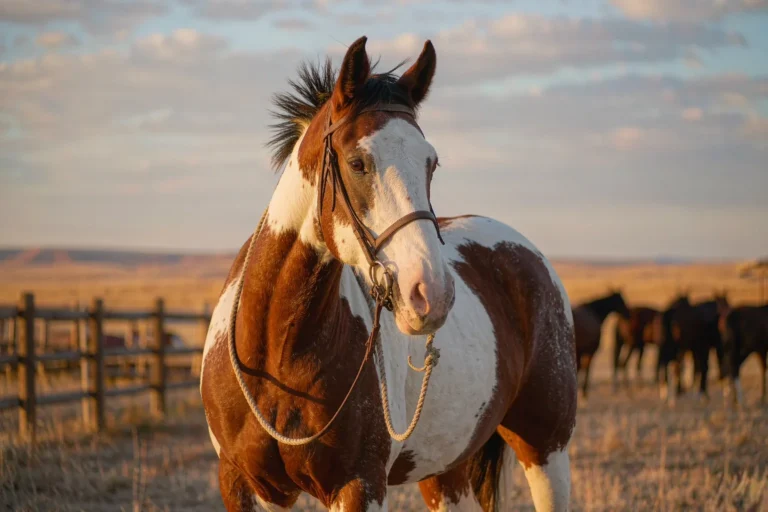
The Tennessee Walking Horse was bred to carry plantation owners across their fields for eight hours a day without jolting them — and the modern breed still delivers that running-walk, a four-beat gait so smooth that riders who buy one rarely go back. Prices start low, upkeep is ordinary, and the one thing every buyer should understand is the breed’s split personality between trail-bred horses and the show “big lick” world.
| At a glance | Typical range |
|---|---|
| Height | 14.3–16.2 hands |
| Weight | 900–1,200 lb |
| Lifespan | 25–30 years |
| Typical purchase price (2026) | $2,000–$10,000 (show lines more) |
| Typical monthly upkeep | $550–$1,000 full-care board |
| Best suited for | Trail riders, older riders with joint concerns, gaited-breed fans |
What a Tennessee Walking Horse Is Like to Live With
Walkers were selected for two things: a smooth gait and a sensible disposition, and the trail-bred majority delivers both. The running walk clocks 10–20 mph, the horses cover country all day and stay fresh, and their calm makes them favorites for older riders and anyone whose knees have opinions about trotting. The parallel-connection to beginner suitability is strong for trail homes.
The split: the show world’s padded “big lick” division has a documented soring history — deliberate application of caustic agents to exaggerate the gait — which the Horse Protection Act outlaws and which honest breeders despise. Practical takeaway for buyers: buy from trail and pleasure lines, be extra careful with cheap show-line horses, and have any horse with altered gaits vet-checked before purchase.
What a Tennessee Walking Horse Costs to Buy
Trail and pleasure-bred Walkers are among the most affordable trained horses in America: $2,000–$5,000 buys a genuinely smooth, finished trail horse. Show-bred pleasure horses run $5,000–$10,000, and padded show horses trade in their own market. Given that a comparable smooth-gait trail horse in other breeds often costs more, Walkers are arguably the best value in the 2026 price guide for trail riders.
Keep the Gait
- Gaited horse book — Gait mechanics, explainedCheck Price
- Gel saddle pad — Comfort keeps the smooth gaitCheck Price
- Gaited horse bit — Light contact, smooth walkCheck Price
Monthly Upkeep: Where the Money Goes
Ordinary in every category: $450–$1,000 full-care board, standard hay needs for a 1,000-pound horse (the hay math), average farrier cycles — with one breed note, that walking horses are usually kept barefoot or in light shoeing to preserve the gait, which keeps costs at the low end ($45–$100/cycle). Routine veterinary care is standard: the AAEP core schedule covers it.
Health Issues This Breed Hits Hardest
Mostly a sound breed, with these recurring items:
| Condition | What it means | Typical cost |
|---|---|---|
| Laminitis / obesity | Easy keepers; standard stock-breed risk | $1,000–$5,000+ per episode |
| Soring-related damage (show lines) | scarred lower legs from illegal practices — one more reason to buy trail lines | Pre-purchase exam $300–$600 |
| Podotrochlosis (navicular-type) | In some poorly-conformed individuals | $1,000–$3,000 management/yr |
Is a Tennessee Walking Horse Right for You?
You ride trails, your body prefers a gait that doesn’t pound, and you want the most finished-horse-per-dollar on the market — from the trail-bred side of the breed, with a pre-purchase exam.
Breed Encyclopedia: Keep Reading
Compare with the Quarter Horse (the trotting alternative) or the Mustang (the other value pick). If you’re a returning adult rider, starting riding as an adult pairs well with this breed.
Tennessee Walking Horse fan essentials
- Breed reference book — The gaited breed’s history, told without the politicsCheck Price
- Breed tee — Ride the glideCheck Price
- Full-seat riding breeches — Gaited rides are long — grip and seam comfort matter mostCheck Price
Guides
Gear & Reviews
Popular Reads