Mustang: Adoption, Training Costs and What It Really Takes (2026)
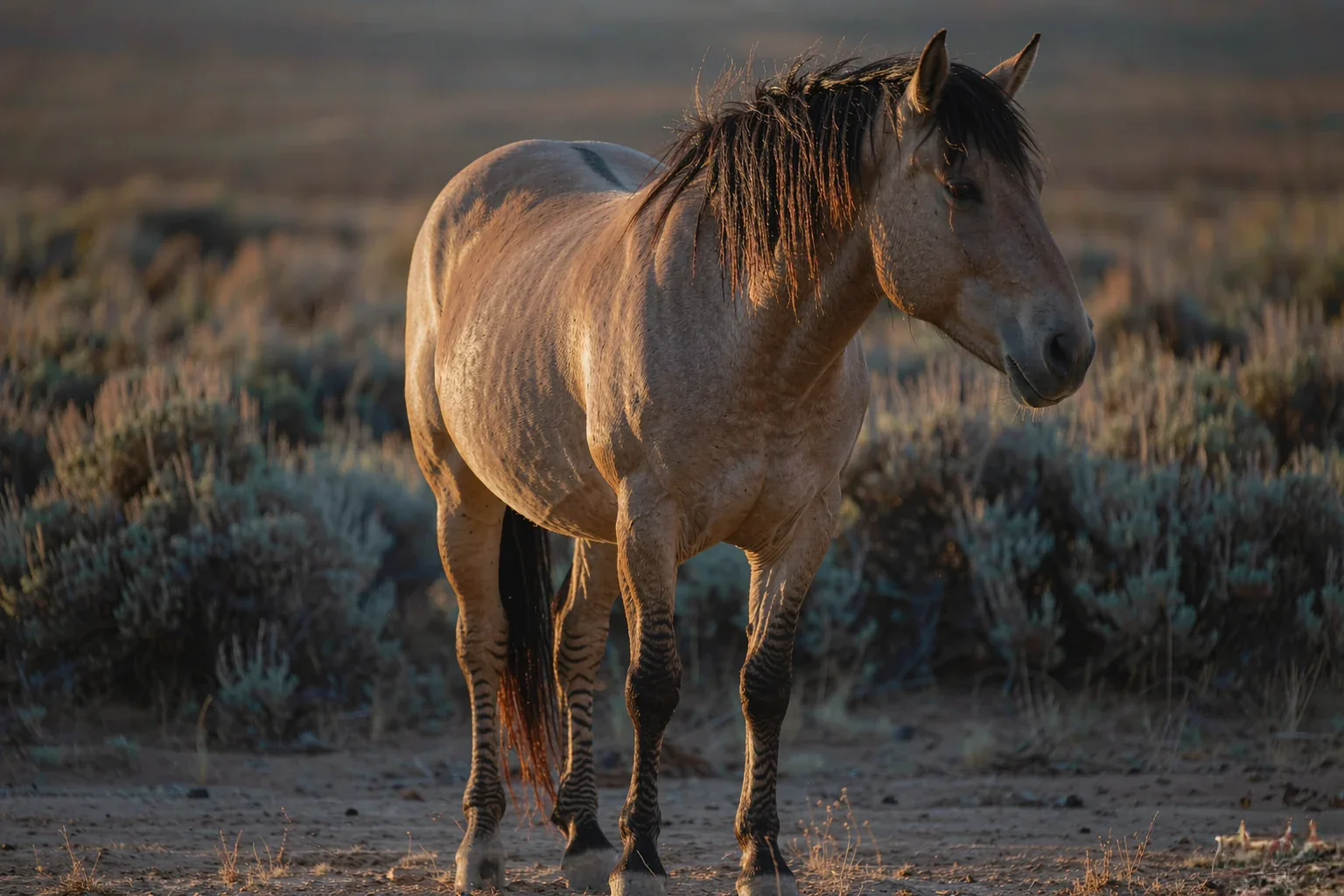
No other breed has a purchase path quite like the Mustang: the Bureau of Land Management will let you adopt one for a few hundred dollars — and at times literally pays buyers a $1,000 incentive to take an untouched wild horse home. The economics flip the usual script: the horse is nearly free, and the training is the purchase price.
| At a glance | Typical range |
|---|---|
| Height | 13–15.2 hands |
| Weight | 800–1,100 lb |
| Lifespan | 25–30 years |
| Typical purchase price (2026) | BLM adoption $125–$500 (plus $1,000 incentive at times); gentled/trained Mustangs $3,000–$8,000 |
| Typical monthly upkeep | $500–$950 full-care board |
| Best suited for | Experienced trainers, patient amateurs with professional help, dedicated trail riders |
What a Mustang Is Like to Live With
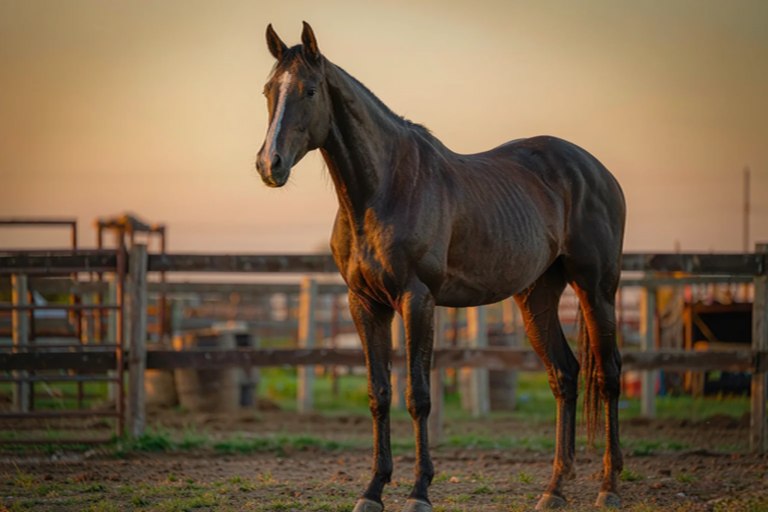
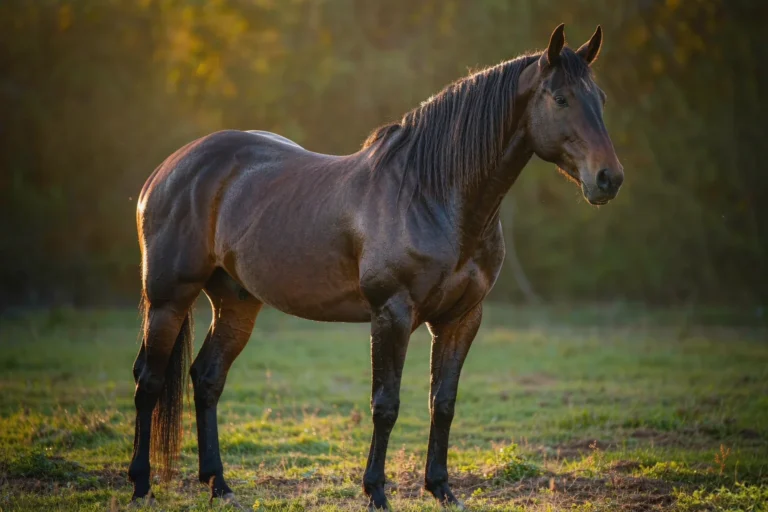
A gentled Mustang is what the marketing calls a “fuel-efficient partner”: hardy feet that rarely need shoes, an immune system built by natural selection, and a work ethic that comes from having learned to trust one human in a way domestic horses never do. The breed’s fans are devoted for exactly these reasons.
An untouched Mustang is something else again: a prey animal with no vocabulary for halter, farrier or trailer, and a strong opinion about all three. The first 90 days are everything. Programs like the BLM’s Trainer Incentive Program and the prison-gentling programs exist because this is not a first-horse project — it’s a second-or-third-horse project with professional help budgeted in from day one.
What a Mustang Costs to Buy
The numbers are genuinely strange: BLM adoption fees run $125–$500, and the agency’s incentive program has at times paid adopters $1,000 per horse after titling — meaning the government pays you to take the horse. The real costs start on the trailer home: professional gentling runs $500–$1,500/month for 2–6 months, and a fully trained Mustang on the open market reflects that, at $3,000–$8,000. Our price guide puts that in market context.
Starting From Zero
- Wild horse book — The science behind the mythCheck Price
- Lunge line — Groundwork is the whole gameCheck Price
- Corner feeder — Predictable feeding builds trustCheck Price
Monthly Upkeep: Where the Money Goes
Day-to-day, a Mustang is among the cheapest horses to keep: bred to live on marginal forage, most hold condition on plain grass hay — the smallest line item in our hay budget — and barefoot trim cycles at $45–$75 rather than $150–$250 shoeing. Board is board ($450–$950 full care; see the cheapest states), but feed and farrier both run under average. Routine vet care is standard — and worth it, since many adopted horses arrive with unknown vaccination history (start with the AAEP core schedule).
Health Issues This Breed Hits Hardest
Wild-bred hardiness is real, but adoption horses come with their own checklist:
| Condition | What it means | Typical cost |
|---|---|---|
| Unknown history | No records; baseline vet, dental and fecal egg count on arrival | $300–$600 initial workup |
| Foot recovery | Wild feet are tough but often untrimmed and cracked | $45–$75/cycle; occasional $200+ rehab |
| Injury from handling mistakes | Untouched horses panic; professionals prevent this | $0 if patient — $1,000s if not |
Is a Mustang Right for You?
You have experience or a trainer locked in, you find the idea of partnering with a wild-born animal genuinely appealing rather than intimidating, and you want the lowest purchase price and among the lowest upkeep costs of any breed on this list.
Breed Encyclopedia: Keep Reading
Compare with the Quarter Horse (the domestic route to the same skill set) or read the first-time owner checklist before choosing any first horse.
Mustang fan essentials
- Breed reference book — The adoption system and what a holding-facility horse has been throughCheck Price
- Breed tee — Born wild, branded onceCheck Price
- Knotted training halter — Green horses often arrive green; a good rope halter earns its keep in the first monthCheck Price
Guides
Gear & Reviews
Popular Reads