What Does Hay Really Cost? A 2026 Feeding Budget Guide
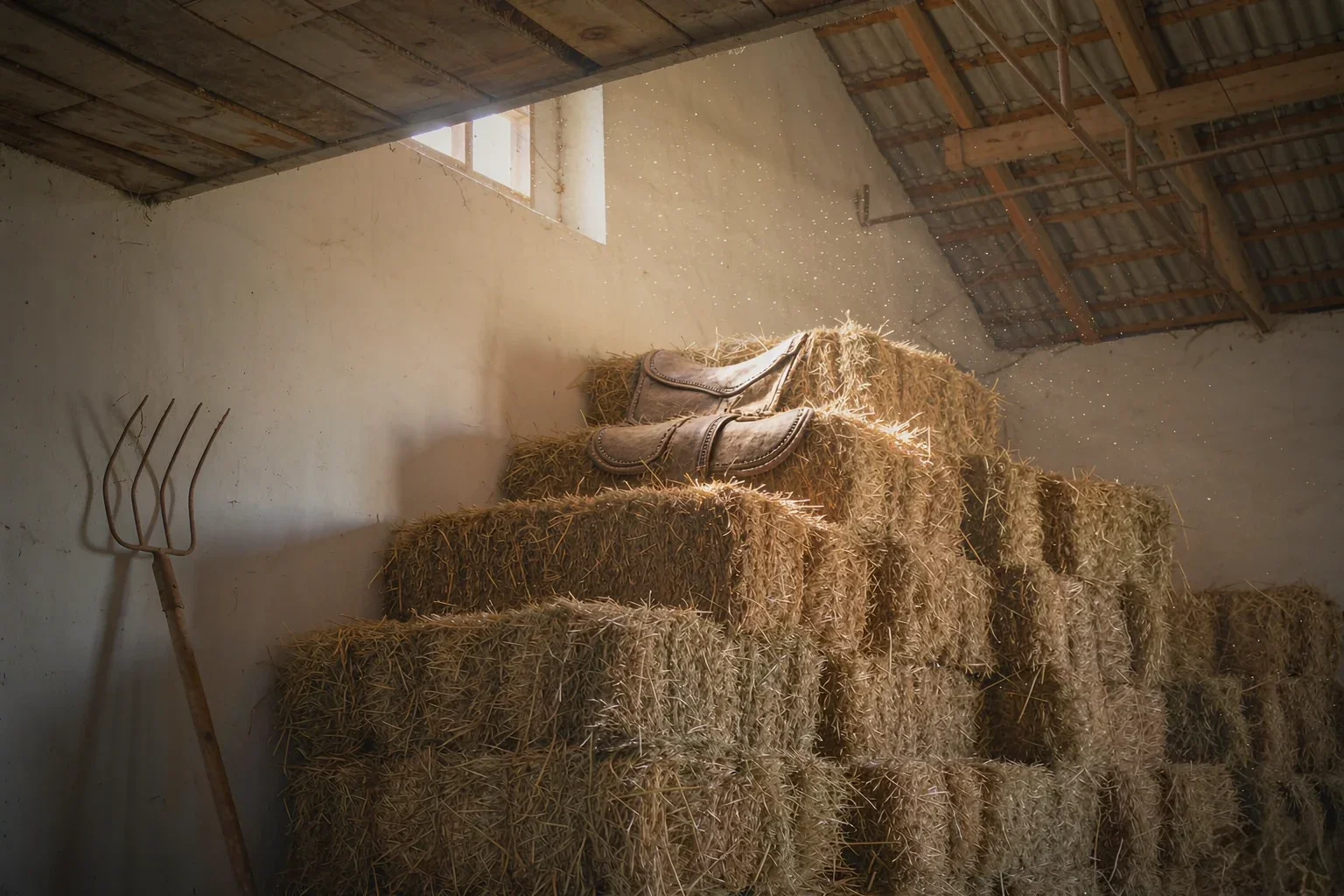
Hay is the quiet line item that decides whether your feed budget works. Current US prices, how much a horse actually eats, and where the savings hide.
A horse eats roughly 1.5–2.5% of its body weight in forage daily — for a 1,100-lb horse, that’s 17–27 lbs of hay per day, or about 550–800 lbs per month.
What Hay Costs Now
| Region / type | Typical price |
|---|---|
| Square bale (grass), Midwest/South | $5–$10 / bale (~50 lbs) |
| Square bale (grass), West Coast | $15–$25 / bale |
| Round bale (800–1,200 lbs) | $60–$150+ |
| Alfalfa / premium horse hay | $12–$22 / small bale |
The Monthly Math
At two average grass bales a day ($8 each), that’s $480/month — often more than board assumes. This is why board-only quotes that exclude hay mislead.
Cutting the Bill Without Cutting Quality
- Buy direct from farmers — saves $100–$200/mo at scale
- Buy a season early — first-cut summer pricing beats winter scarcity
- Test before bulk-buying — a $30 analysis beats a barn of junk hay
- Team up with barn mates for truckload discounts
Hay & Feed Budget Helpers
- Hay moisture meter — don’t pay premium for wet balesCheck Price
- Slow-feed hay net — cuts waste up to 30%Check Price
- Hay storage covers that actually survive winterCheck Price
Related: our full cost-of-ownership breakdown.
Reading the Label: What Each Number Means
A feed tag tells you everything if you know four numbers:
- Crude protein (CP). For adult horses this matters less than the label suggests — 10–12% is plenty for maintenance, and protein excess is excreted, not stored. Growing and lactating horses need 14–16%.
- Crude fat. 2.5–3.5% is typical in a forage-based diet; 6–10% indicates an energy-dense feed for hard keepers or athletes.
- Starch + sugar (NSC). The number that matters most for metabolic horses. Below 10–12% NSC is the target for laminitis-prone or insulin-resistant horses. Most sweet feeds run 30%+.
- Copper / zinc / selenium. The mineral trio most often deficient in forage-only diets. Compare against your forage analysis, not against the label of another bag.
Do You Need Grain at All?
For the majority of pleasure horses, the honest answer is no. A 1,000-lb horse in light work eating 2% of body weight in decent grass hay is meeting its energy and protein needs from forage alone. Adding 4–6 lb of grain on top adds sugar, cost and colic risk without adding anything the hay lacks.
When grain (or a concentrate) is genuinely indicated:
- Hard keepers who cannot hold weight on forage alone — add fat (oil, rice bran) and energy-dense fiber (beet pulp) before starch.
- Horses in real work — 5+ hours a week of sustained effort, eventers, endurance.
- Growing horses with mineral and protein requirements forage may not meet.
- Seniors whose dental function no longer extracts full value from hay.
For everyone else, a ration balancer — 1–2 lb/day of concentrated vitamins and minerals with almost no calories — is the correct product. It fixes the mineral gaps in forage for $25–$45 a month instead of the $60–$120 a month a full grain ration costs.
Stop Paying for Water
- Hay moisture meter — Refuse a wet bale with dataCheck Price
- Airtight grain bin — Rodents eat your marginCheck Price
- Waterproof hay tarp — Stack outdoors without the spoilageCheck Price
The Metabolic Trap: NSC and Laminitis
The single most expensive feeding mistake is feeding a high-NSC diet to a metabolically prone horse. Pony breeds, easy keepers, and horses with a laminitis history are insulin-dysregulated by default; the sugar load in sweet feed or rich spring grass can trigger laminitis — a chronic, often career-ending condition whose lifetime cost runs into five figures.
Practical rules: any horse with a cresty neck, fat pads, or a previous laminitis episode gets a forage-first, low-NSC diet — tested hay under 12% NSC, a balancer, no grain, no treats in volume, and a grazing muzzle on spring and fall grass. Soaking hay for 30–60 minutes leaches 20–30% of the water-soluble sugar when tested hay is not available.
Reading a Hay Analysis in Two Minutes
- DM (dry matter) basis columns — compare everything on DM, not as-fed.
- DE (digestible energy) in Mcal/kg — 1.8–2.2 is average grass hay; 2.3+ is rich; below 1.6 is poor and will need supplementing.
- WSC + starch = NSC. Above 12% flags it for metabolic horses.
- Ca:P ratio — target between 1:1 and 2:1. Alfalfa-heavy diets can run 4:1 or higher and need phosphorus balancing.
- Cu, Zn, Se — compare to NRC requirements (roughly 80–100mg Cu, 300–400mg Zn, 1–3mg Se daily for a 1,000-lb horse) and choose a balancer that fills the actual gaps.
What a Correct Feed Budget Looks Like
| Horse profile | Forage | Concentrate | Monthly feed cost |
|---|---|---|---|
| Easy-keeper pony, light work | 12 lb tested low-NSC hay + muzzle on grass | 1 lb ration balancer | $105–$150 |
| Average 1,100-lb pleasure horse | 20–22 lb grass hay | 2 lb ration balancer | $180–$230 |
| Hard keeper in regular work | 22–25 lb hay | 4–6 lb high-fat concentrate + oil | $260–$340 |
| Senior, poor teeth | Soaked hay cubes or complete senior feed | 8–12 lb senior feed | $300–$420 |
The structural takeaway: forage is 70–90% of the feed budget and 100% of the colic and laminitis risk profile. Getting the hay right — tested, slow-fed, matched to the horse — is the whole game for most horses, and the grain aisle is where owners spend money fixing problems the hay decision created.
Guides
Gear & Reviews
Popular Reads
Keep reading: How much hay does your horse need? Per-month math