PPID (Cushing’s): The $1,200-a-Year Diagnosis That Changes How You Feed
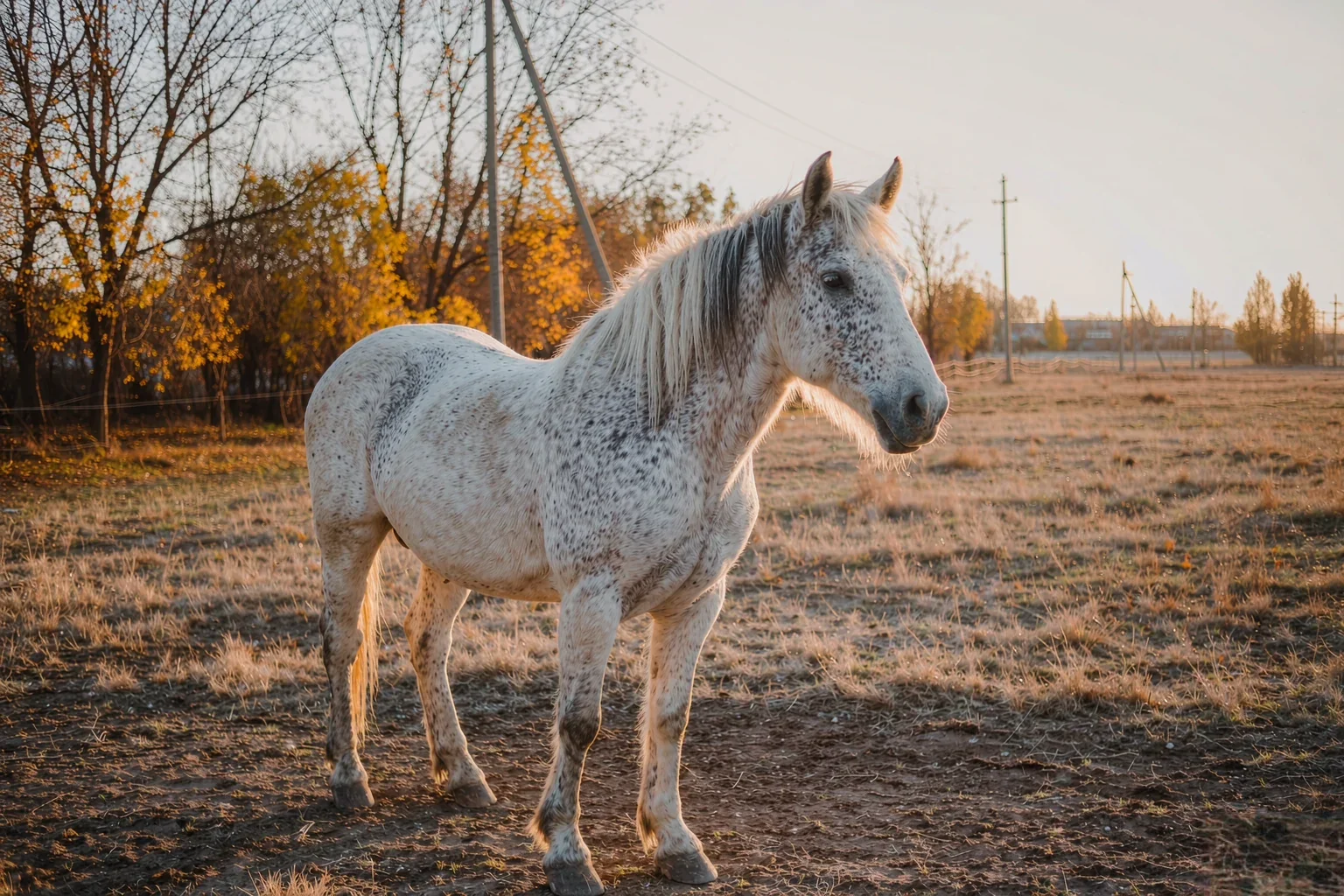
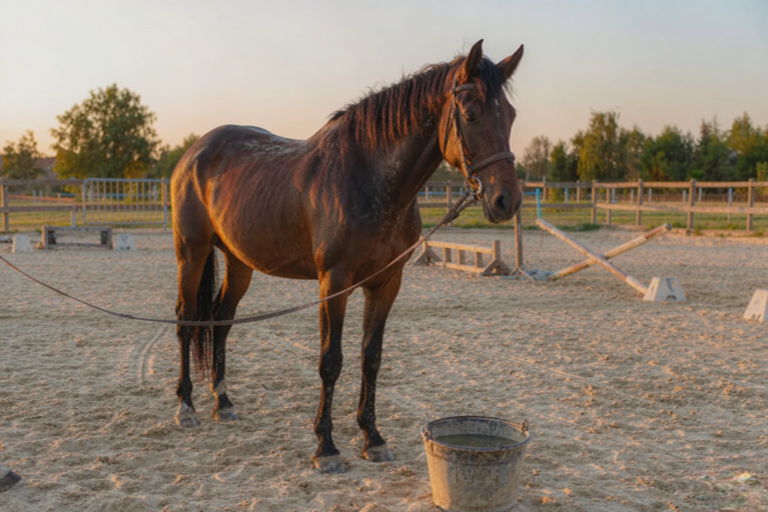
The coat did not shed out this spring. Not dramatically — just a patchy, long, curly coat that stayed through June. The horse is a bit pot-bellied, a bit quiet, drinking more than he used to. Nothing that looks like an emergency. Everything that looks like the early stage of the most common hormonal disease in older horses.
Know the red lines
Signs that mean call now, not tomorrow morning
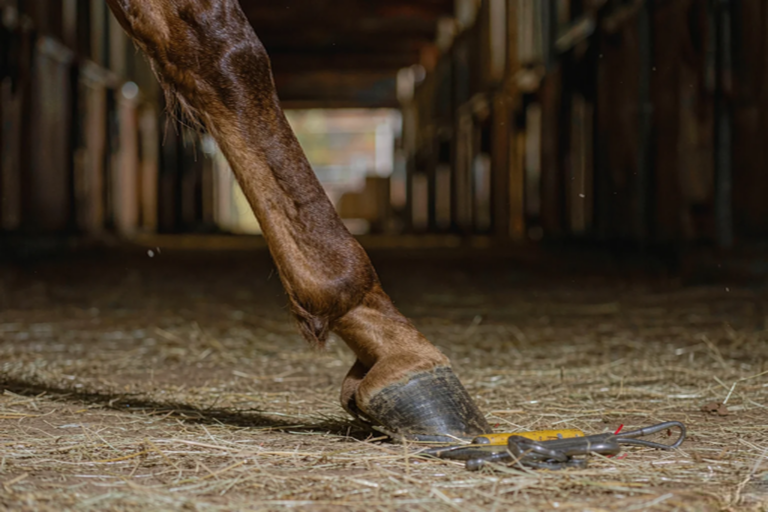
- Any laminitis sign in a horse over 15: heat in the feet, a bounding digital pulse, reluctance to walk on hard ground, rocking back on the heels
- A horse that is down and cannot rise
- Sudden blindness, head pressing, seizures, or collapse
- Fever with lethargy in an older horse — immunocompromise makes ordinary infections serious
- Sores or non-healing wounds with spreading heat and swelling
Print this list. Tape it inside the barn door. Under stress nobody remembers a web page, and the person left holding the horse at 9 pm may not be you.
What is actually happening
PPID — pituitary pars intermedia dysfunction, still widely called Cushing’s — is a disease of the pituitary gland’s middle lobe. The dopamine-producing neurons that normally restrain that lobe degenerate, the lobe enlarges, and it pours out hormones including ACTH. That drives the adrenal glands to overproduce cortisol and related steroids.
The result is a slow, system-wide decline. Muscle wasting along the topline, a pendulous abdomen, a coat that will not shed, increased drinking and urination, delayed wound healing, and reduced immune competence. The most dangerous consequence is insulin dysregulation and laminitis — PPID is the single most common underlying cause of laminitis in horses over 15. Roughly one in five horses over 15 has PPID, and the proportion climbs steeply after 20.
There is a second disease that looks like it and often coexists: equine metabolic syndrome (EMS), which is an insulin-resistance problem in younger, often overweight horses. PPID and EMS are managed differently. Testing matters because treating the wrong one wastes a year and, in the laminitis case, a hoof.
What you will see, stage by stage
Veterinary descriptions of these diseases tend to jump straight to the textbook picture, which is the late version. The table below is ordered the way it actually appears in a barn.
| Stage | What you will see |
|---|---|
| Early — easy to explain away | Failure to shed completely, or shedding late. Mild topline muscle loss. Slight pot belly on a horse that is not overfed. Slower than expected recovery from minor wounds. Drinking a bit more. |
| Established — the pattern is clear | Long, thick, curly coat retained year-round. Obvious epaxial and gluteal muscle wasting. Pendulous abdomen with a dipped back. Excessive drinking and urination. Recurrent infections, hoof abscesses, or delayed healing. Lethargy and loss of interest in work. |
| Advanced — complications | Recurrent laminitis, often low-grade and chronic — the horse is “footy” rather than acutely lame. Blindness from retinal changes. Neurological signs in rare cases with a pituitary tumour large enough to compress the brain (head pressing, seizures, collapse). |
Clipped, Cool, Managed
- Horse clipper set — PPID coats stop shedding on scheduleCheck Price
- Lightweight horse blanket — For the clipped patient in a cold snapCheck Price
- Metabolic supplement — Support the insulin side of PPIDCheck Price
What your vet will do — and what each test costs
| Test or procedure | Typical cost | What it tells you |
|---|---|---|
| Baseline endogenous ACTH | $150–$250 | The standard first test. Simple blood draw. False positives are common in autumn (August–October) — the seasonal rise. |
| TRH stimulation test | $250–$350 | More sensitive, especially in early disease and in autumn. Requires two blood samples ten minutes apart. |
| Insulin and glucose (to check for EMS too) | $80–$160 | Essential — a laminitic PPID horse frequently has both problems. |
| Dental exam | $120–$300 | PPID horses have higher rates of dental disease, and poor dentition drives weight loss. |
| Body condition scoring + weigh tape/scale | $0–$60 | Free to do, and the best tracking tool you have. |
| Recheck ACTH every 6–12 months | $150–$250 each | Dose adjustment without testing is guesswork. |
What it costs, honestly
| Line item | Cost | Notes |
|---|---|---|
| Pergolide (Prascend), 1 mg/day | $1.50–$3.00/day | $550–$1,100/yr |
| Compounded pergolide (cheaper, less regulated) | $0.60–$1.20/day | $220–$440/yr |
| Monitoring: 2× ACTH per year | $300–$500 | More often during dose changes |
| Initial workup | $400–$700 | One-off |
| Low-NSC feed and forage testing | $40–$90/mo | $480–$1,080/yr |
| Laminitis episode (if it happens) | $1,500–$6,000 | The cost this whole diagnosis exists to prevent |
Expect $1,200–$2,200 per year for medication and monitoring on a well-managed case — more than most owners expect, far less than one laminitis episode with radiographs and corrective farriery.
Management that buys years
Medication controls the hormone. These three control the damage.
What to buy, and what to skip
Prevention gear that earns its place in the tack room
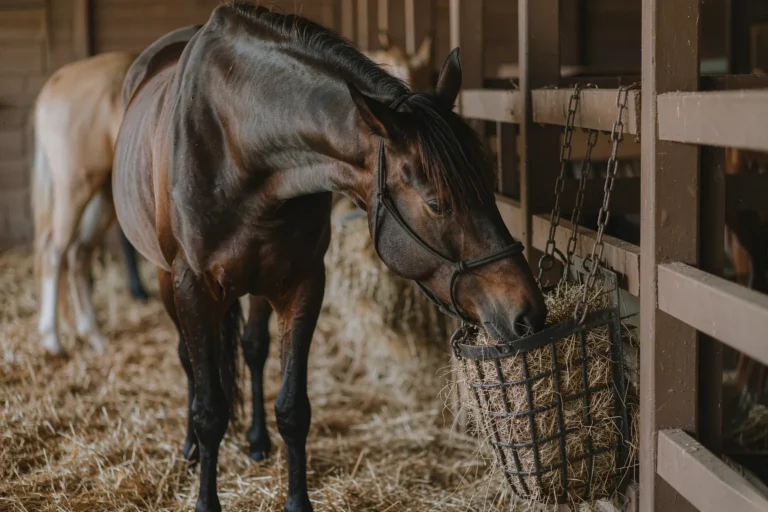
- Keep the diet low in sugar and starch. The laminitis risk comes from insulin, and insulin spikes with non-structural carbohydrates. Soaked hay, low-NSC hay (test it — “grass hay” is not a guarantee), and feeds with added fat rather than starch. This is the highest-leverage change on the list.Check Price
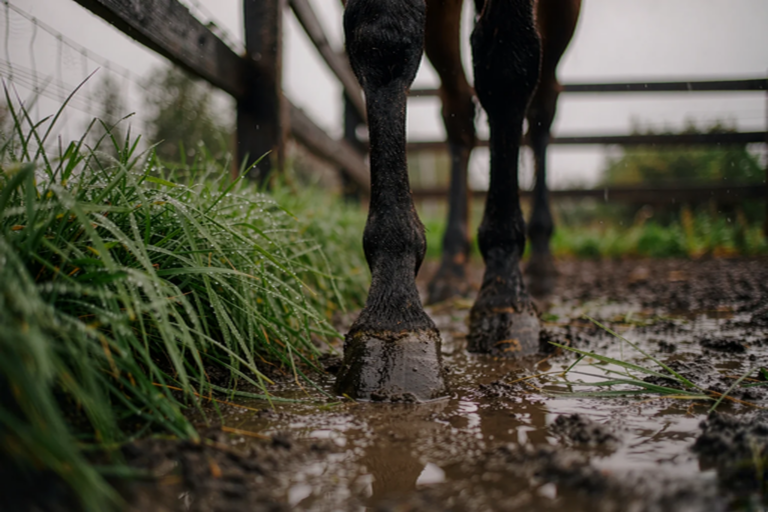
- Restrict grass before you restrict feed. Spring and autumn grass can push a PPID/EMS horse into laminitis within days. A muzzle with a sealed bottom, turnout at night rather than in the afternoon, and a dry lot are the practical tools. Do not wait for the first lame step to buy the muzzle.Check Price
- Feed the muscle, and track the weight. Topline loss is not just cosmetic — it predicts falls, difficulty rising, and saddle-fitting problems. Adequate protein (look at the feed label, not the marketing), weighed feed rather than scoops, and a monthly weigh tape reading give you an early-warning system that costs nothing.
As an Amazon Associate we earn from qualifying purchases. Nothing on this list replaces your vet’s advice on your horse.
Five questions worth asking your vet
Bring these written down. A fifteen-minute appointment goes very differently when you are not trying to remember them from a website.
- Is this PPID, EMS, or both — and what testing supports that?
- How do we account for the seasonal rise in this result?
- What ACTH number are we targeting, and when do we recheck?
- What is the laminitis risk profile for this horse right now?
- If pergolide does not control it, what are the next options and their costs?
Related reading
Sources & further reading
- Merck Veterinary Manual — Pituitary Pars Intermedia Dysfunction
- AAEP — PPID / Cushing’s Disease in Horses
- Equine Endocrinology Group — PPID consensus recommendations
- UC Davis Center for Equine Health — Pituitary Pars Intermedia Dysfunction
Price ranges are compiled from published U.S. veterinary fee surveys and practice websites for 2025–2026. Regional variation is large; treat every number here as a planning figure and ask your own clinic for a written estimate before treatment begins.
Guides
Gear & Reviews
Popular Reads