Navicular Syndrome: Early Signs, Diagnosis Costs and the Shoeing Bill Nobody Warns You About
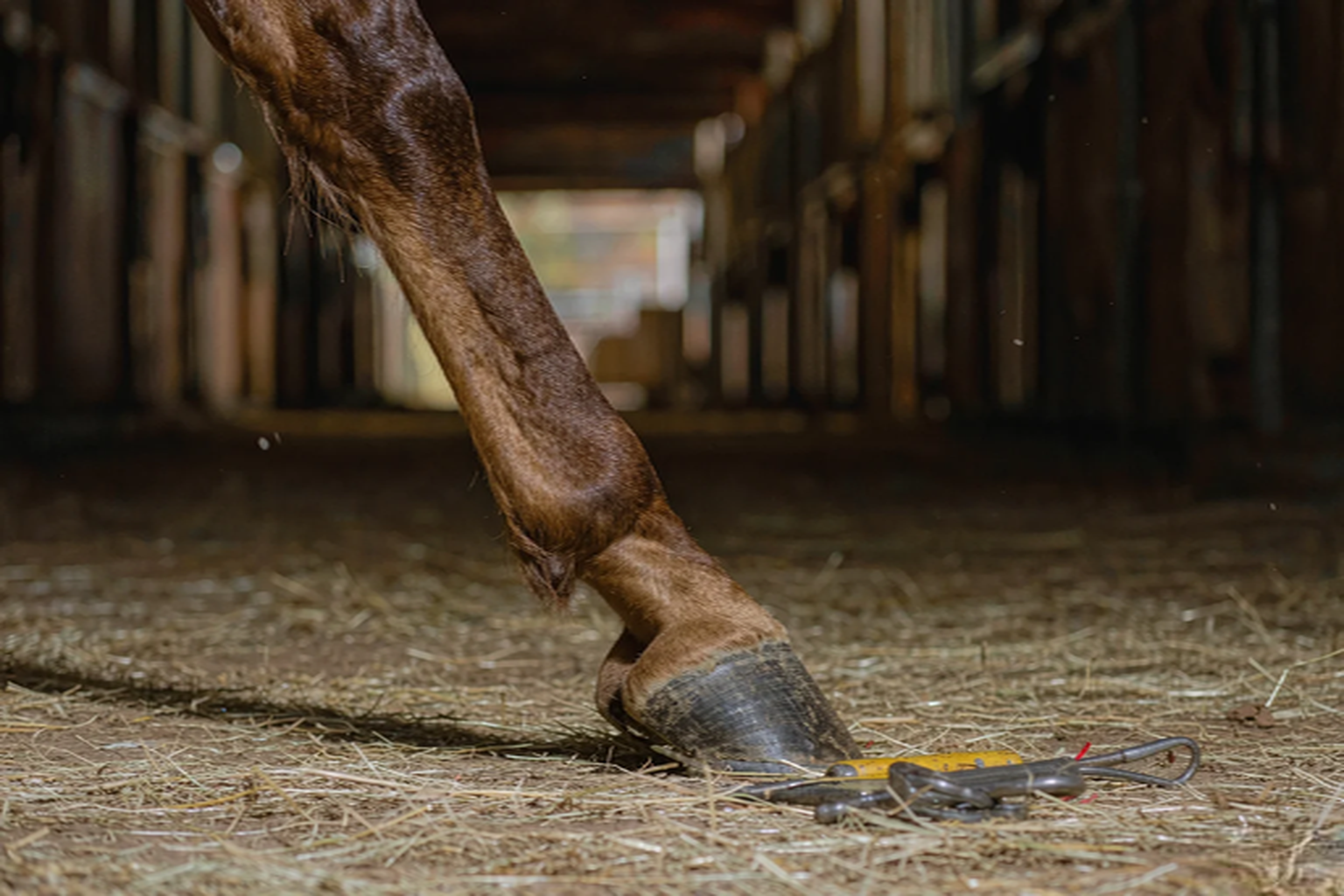
He is a little stiff on the first circle. He stands with one front foot parked out in front of him, resting the heel. Eight minutes into the ride he is fine, so you put it down to warm-up. That is how navicular syndrome starts — and by the time the lameness is obvious at the trot, the changes in the navicular bone and the deep flexor tendon are usually already established.
Know the red lines
Signs that mean call now, not tomorrow morning
- Sudden severe lameness with heat, a bounding digital pulse, or a pulse you can feel through the pastern — that is more likely an abscess or laminitis, and it needs a vet today
- A non-weight-bearing limb, or a horse that will not put the foot down at all
- Lameness that gets worse over days rather than better with rest
- Swelling in the pastern or heel bulbs with discharge
- Any laminitis-suspect horse (cresty neck, fat pads, recent rich grass) — do not wait to see if it settles
Print this list. Tape it inside the barn door. Under stress nobody remembers a web page, and the person left holding the horse at 9 pm may not be you.
What is actually happening
“Navicular syndrome” is an umbrella term for pain originating in the navicular bone, the navicular bursa, or the deep digital flexor tendon where it runs over the bone. The horse’s anatomy loads that structure every time the foot lands, and it loads it hardest when the heel is low, the toe is long, and the horse is heavy for its foot size.
It is a disease of use, not of bad luck. Horses with upright, small feet; horses with long toes and collapsed heels; horses carrying more weight than their feet were built for; and horses working on hard ground day after day are the ones that turn up lame. Age matters less than people assume — the radiographic changes are often present in horses in their teens that have never taken a lame step, and absent in a seven-year-old that is grade 3 lame.
The clinical reality that shapes every cost decision: this is usually a manage diagnosis, not a cure diagnosis. A meaningful share of horses stay comfortable for years with correct trimming, shoeing and work adjustment. A minority deteriorate despite everything. Knowing which group you are in takes imaging, not optimism.
What you will see, stage by stage
Veterinary descriptions of these diseases tend to jump straight to the textbook picture, which is the late version. The table below is ordered the way it actually appears in a barn.
| Stage | What you will see |
|---|---|
| Early — easy to miss | Intermittent forelimb lameness that is worse on a circle and worse on hard ground. A shorter stride on one side. Reluctance to go downhill. Horse appears to “warm out of it” in the first ten minutes of work. |
| Established — the classic picture | Pointing: standing with the affected foot placed forward to take weight off the heel. Heel-sore on hoof testers across the frog and heels. Lameness that improves after a palmar digital nerve block. Choppy, toe-first landing rather than flat or heel-first. |
| Advanced — the hard conversation | Lameness at walk. Bilateral disease, so the horse looks stiff rather than lame and often gets labelled “lazy” or “back sore” for months. Muscle wasting over the shoulder. Any horse that has been managed for two years and is now uncomfortable at rest. |
Footing Is the Treatment
- Therapy hoof boot — Protect the sole on hard groundCheck Price
- Joint supplement — Talk to your vet, then commitCheck Price
- Sole pack hoof pads — Cushion between shoeing cyclesCheck Price
What your vet will do — and what each test costs
| Test or procedure | Typical cost | What it tells you |
|---|---|---|
| Lameness exam + hoof testers | $120–$300 | The foundation. Graded at walk and trot, on a circle, on hard and soft ground. |
| Palmar digital nerve block | $150–$350 | Blocks the heel and navicular region. Improvement is suggestive, not definitive. |
| Radiographs (3–4 views per foot) | $200–$450 | Looks at the navicular bone, its flexor surface, and the angle of the coffin joint. Necessary but not sufficient — many lame horses have unremarkable x-rays. |
| MRI of the foot | $1,500–$2,500 | The definitive answer when x-rays are clean and the horse is still lame. Usually the point where insurance gets involved. |
| Pre-purchase exam with navicular views | $400–$900 | For any horse over 8 with a history of front-foot lameness, insist on it. This is the cheapest navicular money you will ever spend. |
What it costs, honestly
| Line item | Cost | Notes |
|---|---|---|
| Corrective trimming/shoeing, every 5–6 weeks | $250–$450 per visit | $2,200–$3,900/yr |
| Therapeutic pads, wedge pads, or orthotic inserts | $40–$120 per shoeing | Adds to the above |
| Oral joint support (evidence is modest) | $40–$90/mo | $480–$1,080/yr |
| Bisphosphonate treatment (when indicated) | $500–$900 per dose | Not repeatable indefinitely |
| Annual lameness recheck + radiographs | $400–$800 | Track the disease rather than guess |
| Loss of use / reduced sale value | 10–40% of purchase price | The hidden line item nobody budgets for |
Budget $3,000–$5,500 in year one for diagnosis plus farriery, then $2,500–$4,500 per year to keep a navicular horse working. The farrier bill, not the vet bill, is the one that decides whether you can stay in this.
What actually changes the outcome
There is no supplement that prevents navicular disease. There are three things that do.
What to buy, and what to skip
Prevention gear that earns its place in the tack room
- Buy the foot, not the colour. At the pre-purchase exam, look at heel depth, foot size relative to body weight, and the angle of the pastern. A big horse on small upright feet is a navicular bill waiting to happen, whatever the breed or the movement scores.Check Price
- Keep the toe short and the heel supported. A long toe increases strain on the deep flexor tendon with every step. Shoes with a rolled or squared toe, a wider web, and heel support reduce that load. This is the single most effective intervention and it depends entirely on finding a farrier who understands it.Check Price
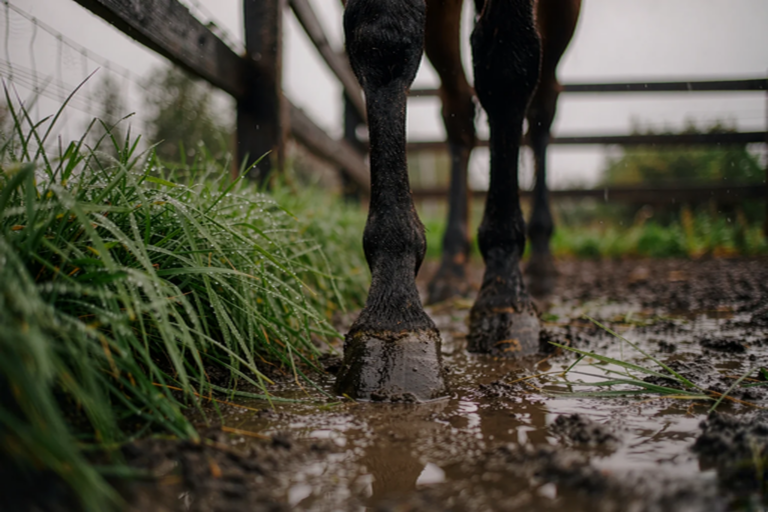
- Manage the surface and the load. Hard ground, repeated jumping on unforgiving footing, and excess body weight all accelerate the disease. Deep, consistent footing and keeping the horse at a body condition score of 5–6 are free interventions that buy years.
As an Amazon Associate we earn from qualifying purchases. Nothing on this list replaces your vet’s advice on your horse.
Five questions worth asking your vet
Bring these written down. A fifteen-minute appointment goes very differently when you are not trying to remember them from a website.
- Is the pain coming from the bone, the bursa, or the deep flexor tendon?
- Do we have radiographic changes, and how do they correlate with the lameness?
- If we blocked the foot and the horse went sound, how confident are you that this is navicular?
- What shoeing prescription are you writing, and can you talk to my farrier directly?
- What does “success” look like in six months, and at what point do we stop?
Related reading
Sources & further reading
- Merck Veterinary Manual — Navicular Disease in Horses
- AAEP — Lameness Exams: Evaluating the Lame Horse
- UC Davis Center for Equine Health — Navicular Syndrome
Price ranges are compiled from published U.S. veterinary fee surveys and practice websites for 2025–2026. Regional variation is large; treat every number here as a planning figure and ask your own clinic for a written estimate before treatment begins.
Guides
Gear & Reviews
Popular Reads