Appaloosa: Temperament, Prices and Monthly Costs (2026)
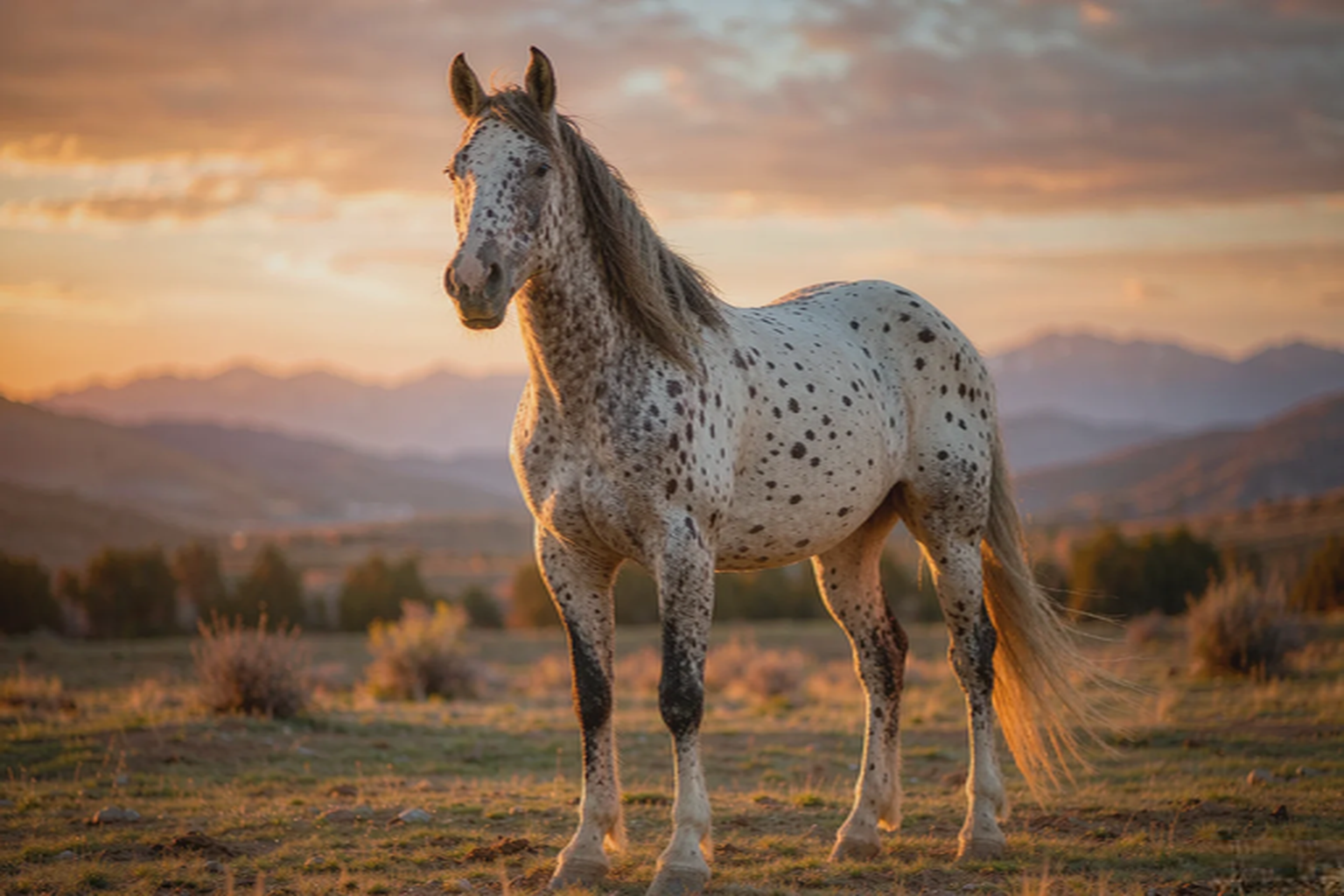
No breed photographs like an Appaloosa — the spotted coat, mottled skin and striped hooves are unmistakable — and few breeds carry a more interesting history, having been rebuilt from near-extinction by the Nez Perce people and later by enthusiasts in Idaho. As a riding horse it is a sturdy, sensible stock-horse cousin of the Quarter Horse with a couple of breed-specific health questions buyers need to take seriously.
| At a glance | Typical range |
|---|---|
| Height | 14.2–16 hands |
| Weight | 950–1,200 lb |
| Lifespan | 25–30 years |
| Typical purchase price (2026) | $2,500–$10,000 |
| Typical monthly upkeep | $550–$1,000 full-care board |
| Best suited for | Trail riders, all-round amateurs, people who want a standout horse |
What a Appaloosa Is Like to Live With
Under the spots is practical stock-horse breeding: quiet, rideable, forgiving, with a bit of the old ranch-horse independence. Appaloosas are popular with trail operators for exactly that reason — they are the kind of horse that takes strange terrain and a novice rider in stride. Like Quarter Horses, individuals range from dead-calm family horses to sharper performance-bred animals, so ride the horse in front of you, not the breed average.
The characteristic genetics that make the coat also affect the eyes and skin, which brings us to the one issue every Appaloosa buyer must understand before the pre-purchase exam.
What a Appaloosa Costs to Buy
Trail and family Appaloosas run $2,500–$6,000; well-bred show stock with color that screams Appaloosa can bring $8,000–$15,000. Color patterns that are loud and “correct” (blanket, leopard over a dark body) add real money in this breed — it’s the one market where the photo moves the price. Where that sits across the market: 2026 purchase prices by type.
Trail Partner Kit
- Trail saddle bag — Pack the day on the horseCheck Price
- Horse GPS tracker — Leased-pasture peace of mindCheck Price
- UV fly sheet — White skin burns; spots are sunburn-proneCheck Price
Monthly Upkeep: Where the Money Goes
Upkeep matches a mid-size stock horse: $450–$1,000 full-care board, ordinary appetites, average farrier cadence. Budget two Appaloosa-specific extras: UV protection — many have pink-skinned muzzles and light eyelids, so a $25–$40 fly mask with UV mesh is summer equipment, not a luxury — and an annual ophthalmic check, because the breed’s eye risk is worth catching early. Routine care context is in our AAEP vaccines guide.
Health Issues This Breed Hits Hardest
One condition dominates the breed’s health conversation, plus the stock-horse standards:
| Condition | What it means | Typical cost |
|---|---|---|
| Equine recurrent uveitis (ERU) | Appaloosas carry 8× the risk; can end in blindness; needs prompt flare management | $200–$500 per flare; $1,500–$3,000 advanced management |
| Laminitis / metabolic issues | Standard easy-keeper risk | $1,000–$5,000+ per episode |
| PSSM (some lines) | Muscle disorder, diet-managed | $200–$500 diagnostic |
Is a Appaloosa Right for You?
You love the look (no shame in it — this is a horse you’ll photograph for twenty years), you want a sensible trail and all-round partner, and you’ll commit to annual eye checks and prompt attention to any squinting or tearing.
Breed Encyclopedia: Keep Reading
Compare with the Quarter Horse (same base, no eye risk) or the Paint (loud coat, standard health). If eyes water at feed bills too, see the hay budget guide.
Appaloosa fan essentials
- Breed reference book — Coat genetics and Nez Perce history, covered properlyCheck Price
- Breed tee — Spots onCheck Price
- UV fly mask — Light skin around the eyes makes sun and fly protection real gear, not a gimmickCheck Price
Guides
Gear & Reviews
Popular Reads