Thoroughbred: Temperament, Prices and Monthly Costs (2026)
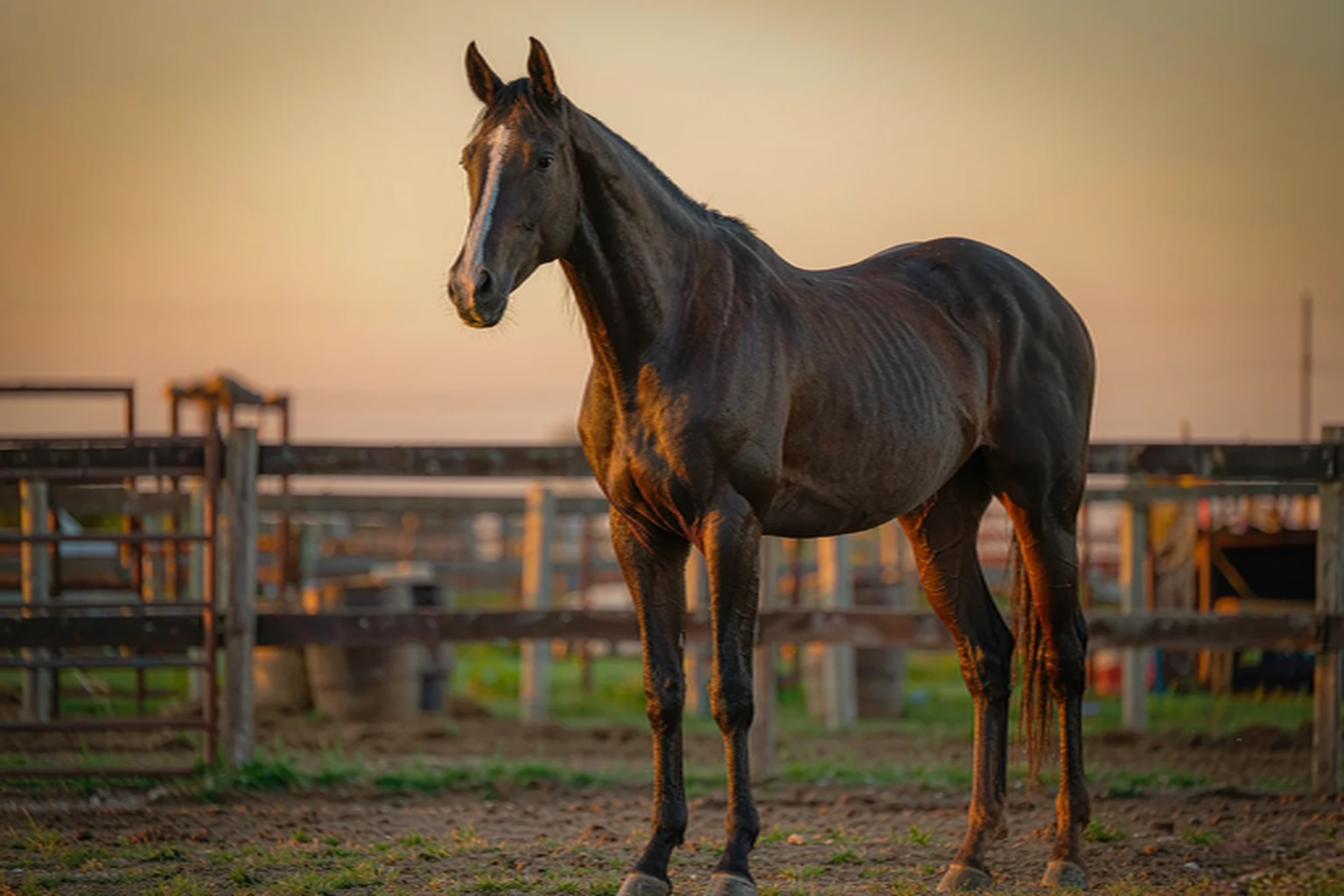
Thoroughbreds are the most mispriced horse in the market: a sound, well-bred athlete can cost less than a quiet trail Quarter Horse simply because the racing industry needs to rehome thousands of them every year. The catch is that the purchase price is the cheapest part — the retraining, feeding and veterinary budget is where a Thoroughbred earns its reputation as an intermediate-to-advanced horse.
| At a glance | Typical range |
|---|---|
| Height | 15.2–17 hands |
| Weight | 1,000–1,300 lb |
| Lifespan | 25–28 years |
| Typical purchase price (2026) | OTTB via adoption/reschool: $500–$3,000; started second career: $5,000–$15,000 |
| Typical monthly upkeep | $650–$1,200 full-care board |
| Best suited for | Intermediate-to-advanced riders, eventers, jumpers, dedicated retrainers |
What a Thoroughbred Is Like to Live With
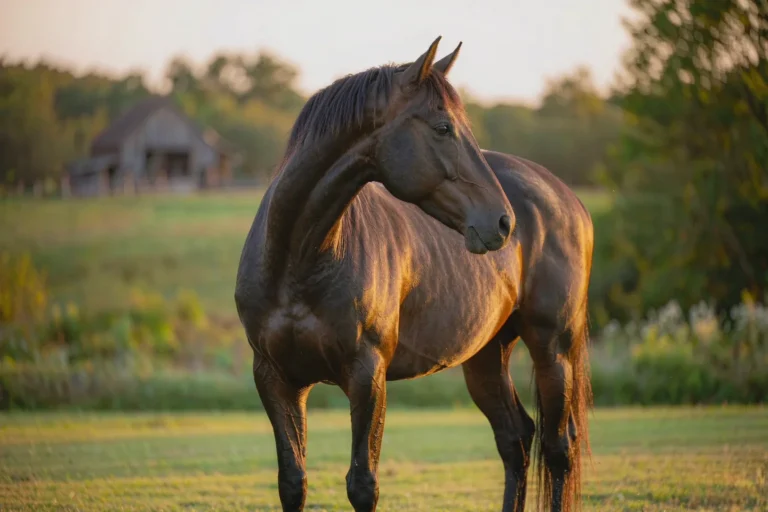
Three centuries of selecting for speed and heart produced a horse that is generous, athletic, and — to be honest about it — reactive. Most Thoroughbreds feel everything their rider feels. In calm, consistent hands that sensitivity becomes an asset: they are the breed of choice for eventing and show jumping at the highest levels. In nervous hands they can bottle that energy up until it spills.
The modern reality for most buyers is the OTTB (off-track Thoroughbred). Programs like New Vocations and CANTER place horses straight from the track; what you get is a fit, handled, unfinished athlete. The first 90 days of retraining decide whether your bargain becomes your dream horse — budget for a trainer’s help, and read our beginner breed guide for why we rarely recommend a fresh OTTB as a first horse.
What a Thoroughbred Costs to Buy
Track-adjacent pricing: a horse straight off the track runs $500–$2,500 at most, and some placement programs practically give them away. The market climbs fast once someone else has done the retraining: a horse with a season of dressage or jumping experience brings $8,000–$15,000, and a confirmed eventer or jumper is $15,000–$40,000+. See 2026 purchase price ranges by type for the full ladder.
The honest math: a $1,500 OTTB plus 6 months of professional retraining ($2,500–$6,000) plus a pre-purchase exam lands you near the price of an already-started horse — with more history and more attachment, but rarely with savings.
For the Hot-Blooded
- Horse racing books — Understand the career behind your OTTBCheck Price
- Anti-sweat sheet — Cool the athlete, keep the shineCheck Price
- Cross ties — Grooming discipline starts hereCheck Price
Monthly Upkeep: Where the Money Goes
Thoroughbreds are the opposite of easy keepers: most are hard doers that burn groceries fast. Budget 1.5–2% of bodyweight in forage daily, usually with added fat or a fortified concentrate — realistically $150–$250/month in feed even at self-care board, against maybe $80–$120 for an average horse (our hay cost guide has the per-ton math). Full-care board in most regions runs $600–$1,200.
Feet matter more in this breed than most: expect $150–$250 per farrier cycle with shoes all around, and consider hoof supplements — we reviewed what the evidence actually supports.
Health Issues This Breed Hits Hardest
Ask any Thoroughbred vet where the money goes and you’ll get the same list:
| Condition | What it means | Typical cost |
|---|---|---|
| Gastric ulcers | Affect a majority of racehorses; needs omeprazole and management | $200–$500 treatment course; $100/mo maintenance |
| Foot problems | Thin soles, long toes from racing shoeing | $150–$250/cycle farriery; $300–$800 diagnostics |
| Joint / tendon strain | Wear from racing; many are manageable for light careers | $500–$3,000+ per episode |
Is a Thoroughbred Right for You?
You’re a rider with patience and either experience or a good trainer on speed dial, you want a genuine athlete for eventing, jumping or dressage, and you’re motivated as much by the retraining project as by the savings.
Breed Encyclopedia: Keep Reading
Compare with the Arabian (equally sensitive, cheaper to feed) or the Quarter Horse (steadier, same athleticism). Big-picture budgeting lives in our cost-of-ownership guide.
Thoroughbred fan essentials
- Breed reference book — From the Stud Book to modern rehoming — the full storyCheck Price
- Breed tee — Off-track and proud of itCheck Price
- Cooler sheet — Thin-skinned and often clipped; a cooler earns its keep after every rideCheck Price
Guides
Gear & Reviews
Popular Reads